



How to Plan Safe Traveling With a Trans Girlfriend: A Guide for Real-World Trips

Editor:
Leona HambArian

Author:
Olena Kosonogova
Olena Kosonogova (she/her) is Chief Information Officer at Fiorry. Olena brings a background in social work and psychology, which gives her a unique perspective on information strategy, systems thinking, and user-focused infrastructure. She oversees data flows, internal systems, and the alignment between technology and communication across the platform. Drawing on her experience in public relations and strategic operations, she helps ensure that Fiorry’s information architecture supports both growth and clarity. Outside of work, Olena values balance through tennis, spending time outdoors, and challenging her mind with a thoughtful game of chess.
Key Takeaways
- Understanding Transgender Identity, Visibility, and Risk
- Legal Reality Check Before Booking Anything
- Same-Sex Relationships, Marriage, and Legal Protections Abroad
- Safety Planning Without Panic
- Documents, Legal Gender, and Airport Reality
- Airport Security and the Screening Process
- Choosing a Destination With Awareness
- Health Care, Medical Needs, and Emergency Planning
- Community, Visibility, and Pride Abroad
- Dating Apps, Social Connections, and Personal Security
- Destination Snapshots: What Context Really Matters
- When Things Feel Off: Trust, Exit Plans, and Support
- Final Thoughts: Travel With Care, Not Fear
Trip planning looks different when one or both partners belong to a group that the world doesn’t always treat fairly. Safe traveling with a trans girlfriend takes more than picking a nice hotel or a convenient flight. It takes honest preparation, grounded research, and a clear-eyed look at how countries, systems, and social spaces actually operate in practice.
What feels routine for some travelers can require genuine forethought for others. The way a couple is perceived publicly, how officials handle documents, or how comfortable a neighborhood feels after dark can vary a great deal depending on the destination, the time of year, and the people involved. Personal history and age both play into these assessments too. Past lived experiences shape how people read risk and decide what feels reasonable.
None of this means travel has to feel like a burden. Paying attention to how the world actually works doesn’t take away from the experience. It protects it. Travelers who plan based on realistic conditions get to move with more confidence, enjoy more of what they came for, and handle surprises without feeling blindsided.
Understanding Transgender Identity, Visibility, and Risk
Gender identity refers to how someone understands themselves, while sexual orientation describes who they are attracted to. These are separate things, but officials, strangers, and institutional systems in many parts of the world conflate them regularly. For trans people traveling abroad, that confusion can surface in real and inconvenient ways at border crossings, hotels, or government offices.
Gender expression shapes everyday interactions in ways that are easy to underestimate before arriving somewhere new. Clothing choices, voice, and mannerisms can draw attention even in spaces that seem relaxed. Many transgender people make quiet, ongoing decisions about what feels comfortable versus what feels safe and when keeping things private makes sense. T
hose decisions are personal, and they change depending on the environment.
Knowing that these dynamics exist and that they shift from one culture to the next gives travelers a better foundation to work from. Awareness doesn’t mean anxiety. It means being informed enough to move through unfamiliar places without unnecessary friction.
Legal Reality Check Before Booking Anything
The legal framework of a destination matters far more than its reputation on travel blogs or social feeds. Personal stories and positive reviews are useful, but they don’t reflect how the law actually functions day to day, especially outside of major cities or tourist areas. Laws define what protections exist, what behavior is criminalized, and how authorities respond when something goes wrong.
In many countries, written protections exist, but enforcement is inconsistent. Local laws sometimes diverge sharply from national policy. New laws may have been enacted recently with limited public coverage. A single positive anecdote shared online, even on a trans dating site, doesn’t capture what the full picture looks like on the ground.
Checking the actual legal conditions before booking, understanding how those conditions are applied, and refreshing that research close to the travel date gives travelers a much more reliable starting point than word of mouth alone.
Same-Sex Relationships, Marriage, and Legal Protections Abroad
Same-sex relationships are treated very differently depending on the country. In places that have legalized same-sex marriage, same-sex couples generally face fewer administrative obstacles during daily life. In others, recognition may be limited to registered partnerships, and in some places, homosexuality remains criminalized outright. These differences aren’t abstract, and they affect real-world situations, not just legal paperwork.
Legal protections for same-sex relationships shape how couples are treated by hotels, hospitals, financial institutions, and public services. They also affect how reasonable it feels to be visible. For trans travelers, this intersects directly with questions of gender identity and documentation. A casual search for something like “trans girls near me” while traveling can produce very different results depending on how local platforms adapt their content to comply with regional rules.
Understanding these distinctions before departure helps travelers prepare not only for legal realities but also for the more subtle ways visibility and gay identity are treated differently across public life in different countries.
Safety Planning Without Panic
Safety planning is not about expecting the worst. It’s about being prepared for ordinary situations without letting worry take over the trip. Knowing where accommodations are, how to get back safely in the evening, and who to contact if plans shift are the kinds of practical decisions that reduce stress without adding much effort.
Preparation also means knowing what to do when something feels wrong. Leaving early, asking for help from staff, or stepping back from a situation before it escalates are all straightforward ways to manage security concerns without turning them into bigger problems. These are practical habits, not signs that anything has gone wrong.
Sometimes useful preparation happens in unexpected ways. Searching for information like how to meet trans women nearby while getting ready for a trip can surface local orientation sessions, peer-led briefings, or community safety resources focused on traveler awareness. That kind of education can make a destination feel much more navigable before arrival.


Safety applies with equal force to the individual, to the family, to the employer, to the state, to the nation, and to international affairs. Safety, in its widest sense, concerns the happiness, contentment, and freedom of mankind
Documents, Legal Gender, and Airport Reality

Identification documents get checked repeatedly during any trip, and details that seem minor can create friction at unexpected moments. When a passport lists a legal gender marker that doesn’t match how someone is perceived, it can lead to additional questions at check-in, scrutiny at passport control, or extra steps during screening. Building in time for those moments, and preparing documentation accordingly, is a practical step that reduces stress.
Digital security connects to document management in ways that aren’t always obvious. Phones hold boarding passes, location data, and app activity tied to travel dates. Something as incidental as a search to find trans girls on Tinder while waiting at the airport becomes part of a digital trail attached to that trip. Being mindful about what stays on a device and what gets cleared before or during travel gives travelers a measure of control over what information is accessible in unfamiliar environments.
Airport Security and the Screening Process
Airport security is often the most tense part of a journey. Advanced imaging technology is standard in many airports, and it can trigger secondary checks even when nothing is actually wrong. Knowing this in advance helps travelers remember that additional screening is a procedural step and not a personal judgment.
Travelers who want more privacy during secondary checks have the right to request a private screening. That option exists specifically to make the screening process more comfortable. and it’s worth knowing about before it becomes relevant. Keeping items accessible in carry-on luggage also speeds things along and reduces the chance of unnecessary attention.
Airports also disrupt routines in smaller ways. Waiting to board, phones fill up with ordinary messages, reminders, and updates that reflect daily life continuing elsewhere. A casual notification that mentions trans dating in New York isn’t about searching or planning. It’s just the ordinary backdrop of a regular day, and holding onto that sense of normalcy can make the overall security experience feel less disorienting.
Choosing a Destination With Awareness

The most useful information about a destination isn’t in tourism photography. It comes from local attitudes, recent reports of hate crime, patterns of discrimination, and how the community lives day to day. That kind of research gives travelers a realistic picture and helps them avoid surprises once they arrive.
Specific areas within cities matter too. Danger zones exist in most destinations, particularly after dark or in areas away from busier districts. Discrimination based on appearance or perceived identity is documented more frequently in certain areas. Understanding where those patterns tend to cluster helps travelers plan their movements without writing off an entire city.
Old notes and memories can bring useful perspective. A handwritten line from years ago reading “Meet Trans Los Angeles” is a quiet reminder that cities, reputations, and personal circumstances all shift over time. Evaluating each trip on its own current terms, rather than on assumptions from past visits or outdated general information, leads to more grounded planning.
Health Care, Medical Needs, and Emergency Planning
Health care systems work differently across countries, and those differences go beyond quality. They involve how systems are structured, where to go for a specific type of help, and what’s available outside standard business hours. Weekend schedules and public holidays affect medical care access more than most travelers expect, and finding that out during an emergency is far more stressful than preparing before departure.
A few straightforward steps make a significant difference. Keep emergency contact information written down in a place that doesn’t require a device to access. Know which nearby facilities handle urgent situations. Understand how to protect prescriptions and documentation across borders. These steps don’t require extensive research, but they do require doing the research ahead of time.
Local health environments sometimes offer unexpected orientation. Sitting in a pharmacy or clinic abroad, a traveler might notice a printed notice mentioning trans in London as a community support reference pinned to a bulletin board. Finding resources like that in an unfamiliar setting can make local systems feel a little less distant when they matter most.
Community, Visibility, and Pride Abroad
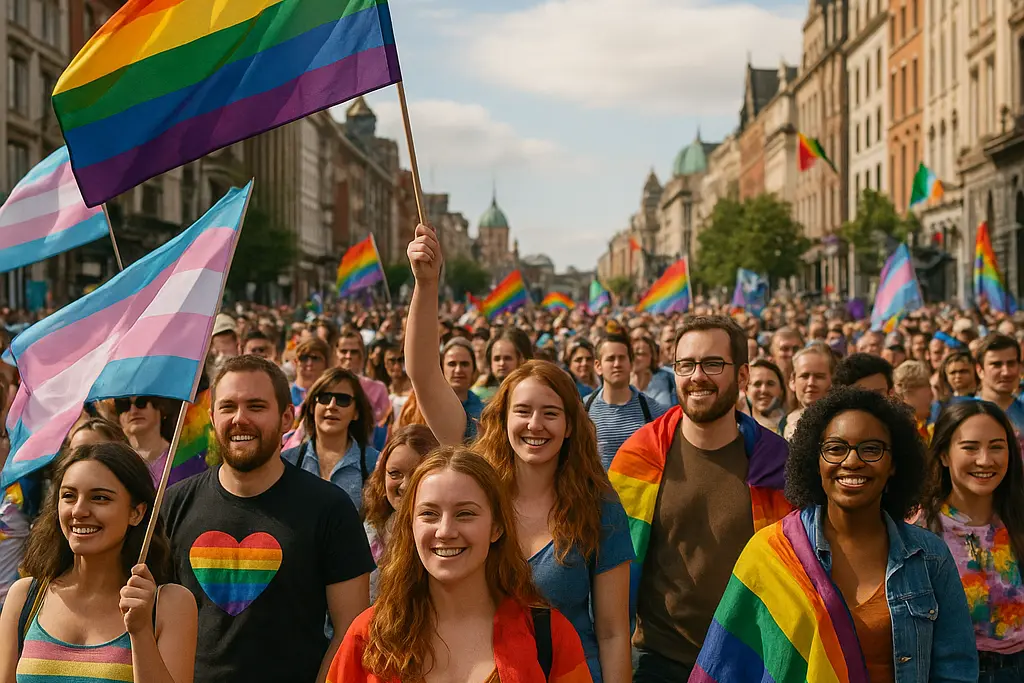
An LGBTQ community presence often shows up through small, ordinary signals rather than major events. A pride flag in a café window, flyers for upcoming pride events on a venue door, or a subtle shift in the energy of a neighborhood can say a great deal about how welcome people feel living openly in that space.
Visibility works differently from city to city. In some places, public gatherings are part of the regular fabric of life. In others, public displays of identity still draw unwanted attention. Noticing where that threshold sits, without constantly second-guessing, helps travelers read the environment and move with appropriate confidence.
Casual conversation can offer useful orientation. A local giving directions might mention Berlin tgirls as an informal reference point for where certain social spaces tend to cluster. In a different city, someone might reflect on how things have shifted over the years, dropping a phrase like “Bangkok trans dating” in the course of explaining neighborhood history. These moments show how community life exists outside organized events and media coverage.
Real safety comes from preparation, not perfection. When trans travelers feel informed, supported, and respected, travel becomes not just possible but genuinely empowering
Dating Apps, Social Connections, and Personal Security
Dating apps operate differently across contexts, and what feels natural at home can feel off-tempo somewhere new. Taking things at a measured pace, keeping boundaries clear, and defaulting to places that are well-lit and public all reduce the chance of situations that escalate in uncomfortable directions. Short trips and unfamiliar environments are not good contexts for compressing timelines that would normally take longer.
Personal security is also about knowing when to step back. Recognizing when to end a conversation, stay offline for an evening, or decline a meeting without explanation are skills that matter as much as choosing the right location. There is no obligation to turn every interaction into a plan.
Local context surfaces through casual references. Someone might mention Sydney Ts while describing which neighborhoods stay active late, offering useful orientation without any direct invitation. In other situations, language creates confusion. Phrases like “meet trans Paris” can read as literal when they are actually cultural shorthand. Pausing to verify before acting on that kind of information is a reasonable and straightforward habit.


Destination Snapshots: What Context Really Matters

Reputation and daily reality don’t always match. A visit to San Francisco might feel relaxed and straightforward, while a capital city elsewhere can carry a more formal, rule-conscious atmosphere in everyday interactions. Traveling through Canada, parts of Europe, and Germany often requires adjusting expectations about tone, institutional processes, and how systems respond to individuals. None of those adjustments are dramatic, but they show up quickly during a short visit.
Language shapes every interaction, including the minor ones. Knowing when to speak, how direct to be, and how much local language to use can change outcomes at a transit desk, a clinic reception, or a municipal office. For trans travelers in particular, these small exchanges affect how welcomed and understood they feel throughout the trip.
Official language sometimes carries its own context. A clerk might reference a previous case using a phrase like “trans in Mexico” as internal shorthand, without any commentary attached. A radio host covering urban history might mention Amsterdam trans dating while describing how certain neighborhoods evolved over decades. These moments are reminders that history and community context sit beneath the surface of most destinations.
When Things Feel Off: Trust, Exit Plans, and Support
When something doesn’t feel right, that reaction is worth respecting. Travel puts people into situations they didn’t fully anticipate, and difficulties rarely announce themselves clearly. Sometimes it’s a sense of pressure, a situation moving faster than expected, or a quiet sense that leaving would be the better choice. That is a sufficient reason to pause, regardless of what anyone else in the situation thinks.
These situations require handling on an individual basis. There’s no universal script. What helps is having a simple exit plan: knowing where there’s space to step away, how to leave without making a scene, and who can be reached if support is needed. Acting early, before a manageable concern becomes harder to navigate, is consistently the better option.
Neutral labels in official or public contexts can sometimes cause unnecessary confusion. Standing at a service counter, a traveler might see a category listing that includes a phrase like “Rome Tgirls” as a service classification with no further explanation. It’s not directed at anyone and doesn’t require a response. When something feels unclear or unwelcome, choosing distance without offering an explanation is consistently the most sensible move.
Final Thoughts: Travel With Care, Not Fear
Travel should feel like space to breathe, not something that creates constant tension. Thoughtful planning keeps trips enjoyable even in a world where conversations about equal rights and civil rights are still evolving across different countries. Staying current through reliable education, honest research, and solid general information makes it easier to decide where there’s genuine comfort and safety.
For many people in the LGBTQ community, choosing friendly destinations isn’t an idealistic pursuit. It’s a practical one. Knowing what to expect, understanding the legal landscape, and selecting places that align with realistic comfort levels allows travelers to plan vacations and longer trips with confidence rather than ongoing tension. The unique challenges that come with trans travel don’t disappear with preparation, but they become much more manageable.
When careful preparation meets honest self-awareness, safe traveling with a trans girlfriend becomes far less about fear and far more about moving through the world with intention, clarity, and room to genuinely enjoy the journey.
FAQ
Q1. What legal checks should be done before booking a trip?
Check the actual legal framework of each destination, not just its reputation. Local laws often differ from national policy, and new laws pass without much public coverage. Official travel advisories and lgbtq community legal resources are more reliable than a trans dating site or anecdotal posts.
Q2. How does airport security typically affect trans travelers?
Advanced imaging technology can trigger secondary checks even when nothing is wrong. Trans travelers have the right to request a private screening at any point during the screening process. Keeping carry on luggage organized reduces delays, and building extra time into arrival accounts for any document questions around legal gender markers.
Q3. How should couples research a destination before deciding to visit?
Look beyond photos. Check recent hate crime reports, discrimination based on gender identity, and where danger zones cluster within cities. Regions like canada, europe, and germany offer stronger legal protections overall, but local attitudes still vary. Cross-reference multiple sources for the most accurate picture.
Q4. What should travelers keep in mind when using dating apps abroad?
Take things slower than at home. When using apps to find trans girls on tinder or connect through trans dating new york-style searches, default to public places and clear boundaries. A phrase like meet trans paris can be local shorthand rather than a literal invite. Verify context before acting, and there is no obligation to meet anyone.
Q5. How should medical needs be handled while traveling abroad?
Health care systems vary significantly across countries. Know which facilities provide medical care after business hours before an emergency arises. Keep emergency contact details written down, confirm how prescriptions cross borders, and look up community health resources in advance, such as those listed under trans in london for UK visits.
Q6. What should travelers do when a situation starts to feel unsafe?
Act on that instinct early. Each situation requires handling on an individual basis, but having a simple exit plan already in place makes it easier: know where to step away, how to leave without escalating, and who to contact for support. Choosing distance without explanation is always a reasonable move.
Q7. How can travelers connect with the local LGBTQ+ community in a new city?
Community presence shows up in small signals: a pride flag in a window, flyers for pride events, or a shift in neighborhood energy. Locals may casually reference berlin tgirls or amsterdam trans dating as orientation points. Searches like meet trans los angeles often surface peer-led sessions and community safety resources that make a new city feel far less unfamiliar before arrival.
Time to read: 16 min.



Am. psychologist
Walter Dill Scott
The future of the safety movement is not so much dependent upon the invention of safety devices as on the improvement of methods of educating people to the ideal of caution and safety
Source letter to the National Safety Council, 1921