



Transgender Organizations in the US: Your Complete Guide
Editor:
Olena Kosonogova
Author:
Olena Kosonogova
Olena Kosonogova (she/her) is Chief Information Officer at Fiorry. Olena brings a background in social work and psychology, which gives her a unique perspective on information strategy, systems thinking, and user-focused infrastructure. She oversees data flows, internal systems, and the alignment between technology and communication across the platform. Drawing on her experience in public relations and strategic operations, she helps ensure that Fiorry’s information architecture supports both growth and clarity. Outside of work, Olena values balance through tennis, spending time outdoors, and challenging her mind with a thoughtful game of chess.
Key Takeaways
Finding the right support when you need it can change everything.
Trans organizations in the US work tirelessly to provide resources, legal help, advocacy, and community connection for transgender people and their families. Whether you’re seeking mental health services, need help navigating laws, or just want to connect with others who understand your experience, these organizations exist to make your life easier and safer.
The landscape of trans support has evolved dramatically over the decades. What started as small community gatherings has grown into a network of professional organizations fighting for trans rights at every level—from local communities to state legislatures to federal policy. These groups tackle everything from healthcare access to employment discrimination to violence prevention.
The Power of Community and Why These Organizations Matter
Trans organizations in the US serve as lifelines in ways many cisgender people never have to consider. They help people access healthcare when insurance denies coverage. They fight laws that force trans youth and families into impossible situations. They provide friends and allies with tools to stand beside trans people with knowledge and confidence.
The work these organizations do extends beyond helping individuals—they shape public policy, educate the general public, correct misinformation, and build networks that make the difference between isolation and connection. When state legislatures consider anti-trans bills, these organizations mobilize communities to respond. When violence strikes trans communities, they provide crisis support and work to prevent future incidents.
Finding the right support network matters whether you’re transgender yourself, a parent of a trans child, or an ally wanting to learn how to help. Support groups offer peer connection that reminds people they’re not alone. Legal services ensure people can update documents, challenge discrimination, and live with dignity. Advocacy efforts create a future where trans people don’t have to fight quite so hard just to exist safely.
But support organizations aren’t the only way to connect with trans communities. If you’re looking to meet trans people for dating or friendship, platforms designed specifically for these connections can help. Fiorry creates spaces where trans people and their admirers can build authentic relationships without the awkwardness or judgment that sometimes happens on mainstream apps. Whether you’re exploring trans dating or hoping to meet trans near me, dedicated platforms understand the unique dynamics of these connections.


10 Essential Support Groups and Trans Organizations in the US
1. Advocates for Trans Equality (A4TE)
Founded in 2024 through the merger of two powerhouse organizations—the National Center for Transgender Equality and the Transgender Legal Defense and Education Fund—A4TE represents over 40 years of combined experience fighting for trans rights.
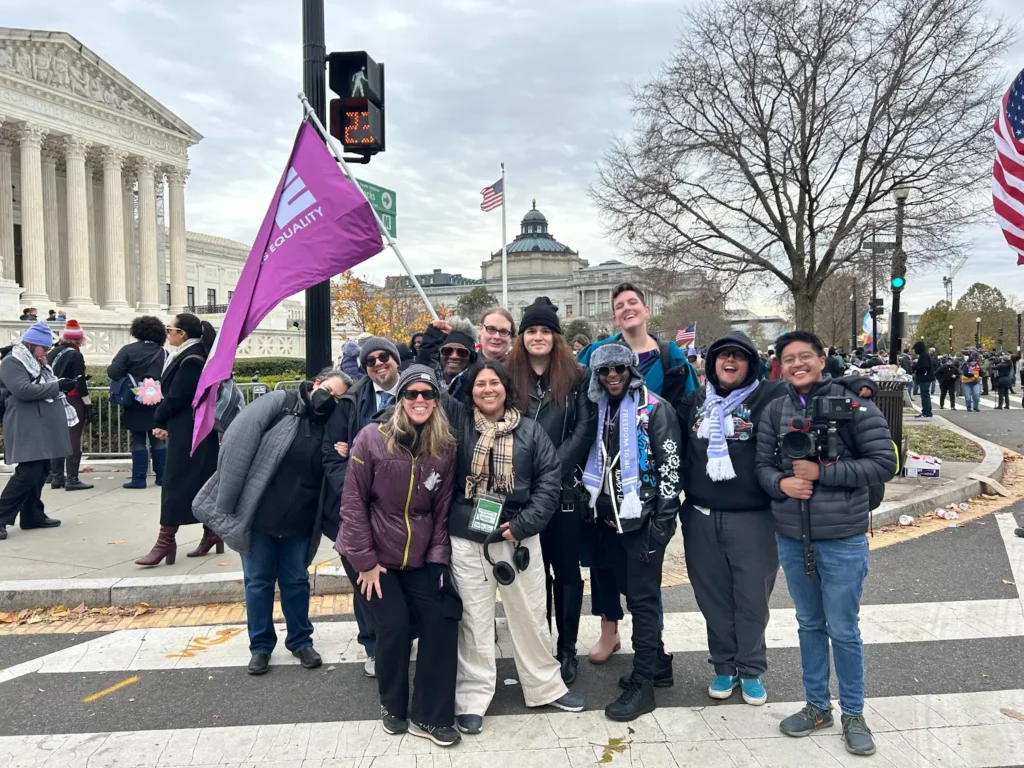
This trans-led organization works at all levels of government to ensure trans voices are heard in rooms where they’ve historically been ignored.
They provide policy expertise, litigation support, and community organizing to respond to unprecedented attacks on trans people nationwide. A4TE helped secure over 100 federal policy changes and defeated hundreds of anti-trans state bills.
2. Transgender Law Center (TLC)
As the largest national trans-led organization advocating for autonomy for people of all genders, TLC operates on the belief that “the people most affected by the systems must lead the work.”
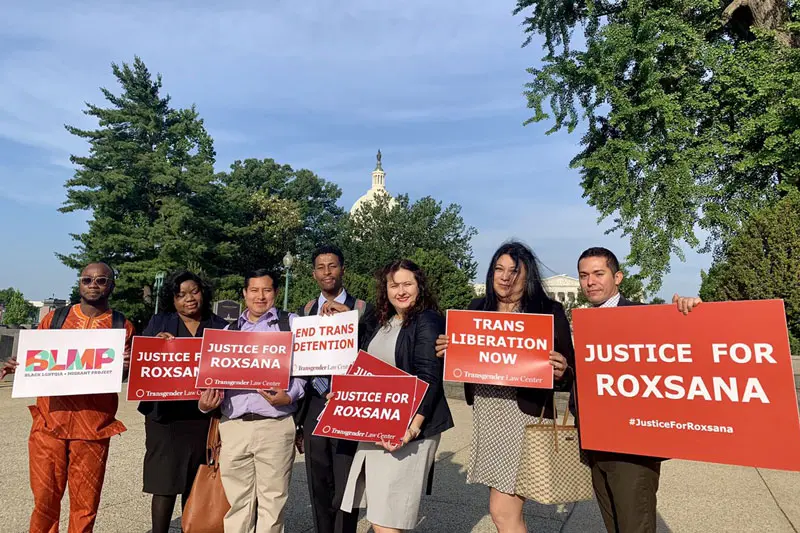
They change legislation, policy, and culture so trans people can live safely, openly, and free from discrimination. TLC provides legal services ranging from name change support to fighting discriminatory laws, while also maintaining educational programs that help community members understand their rights.
3. The Trevor Project
When trans youth face a crisis, The Trevor Project provides 24/7 intervention and suicide prevention services for LGBTQ young people under 25.
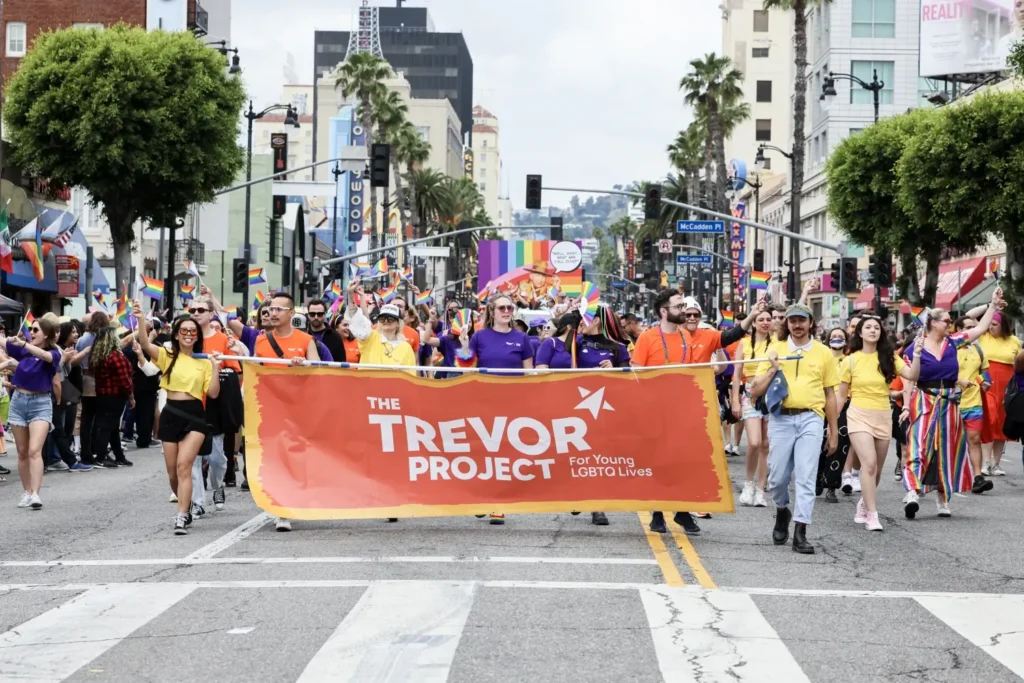
Their trained counselors offer support through phone, text, and chat services. Given that LGBTQ youth contemplate suicide at more than eight times the national average, this organization literally saves lives every single day.
They also conduct research that helps other organizations better understand how to support trans youth and young adults.
4. PFLAG
With over 360 chapters across the United States and more than 550,000 members and supporters, PFLAG creates a bridge between the trans community and families who want to understand and support their loved ones.
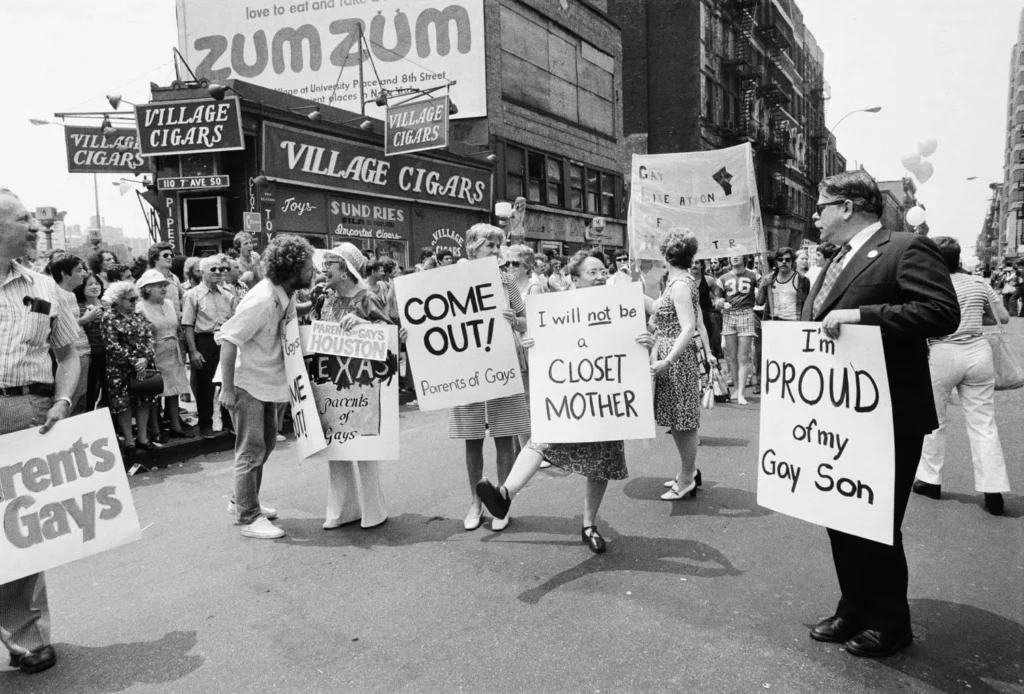
Founded in 1973, PFLAG offers peer support groups where parents, siblings, friends, and allies can ask questions, share experiences, and learn how to better support trans people in their lives. Their meetings provide safe spaces for both trans individuals and families navigating this journey together.
5. Trans Lifeline
This peer support hotline is the only service in the United States where all operators are transgender. Trans Lifeline offers both emotional support and micro-grants to help trans people in crisis with immediate financial needs.

Because operators have lived experience, callers connect with someone who truly understands what they’re going through. The organization also doesn’t engage in non-consensual active rescue, respecting callers’ autonomy even in difficult moments.
6. FORGE
Trans people experience violence and abuse at alarming rates, and FORGE works directly with survivors through trauma-informed, empowerment-focused services.
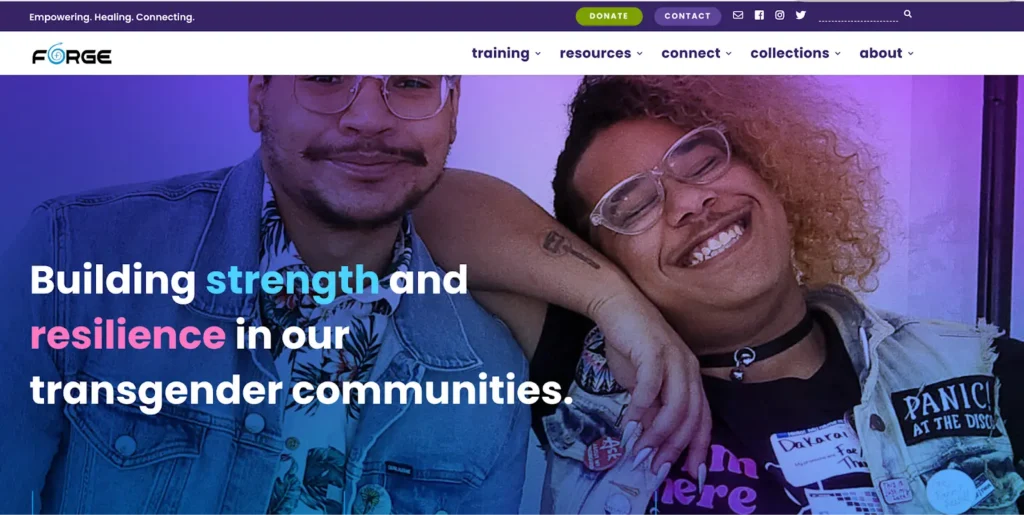
As a national transgender anti-violence organization, they provide support services rooted in constantly evolving research-based strategies. FORGE helps survivors access resources, navigate the legal system, and heal from their experiences while maintaining their power throughout the process.
7. Human Rights Campaign (HRC)
While HRC serves the broader LGBTQ community, their Trans Justice Initiative specifically advances the leadership of BIPOC trans men and transmasculine nonbinary folks.
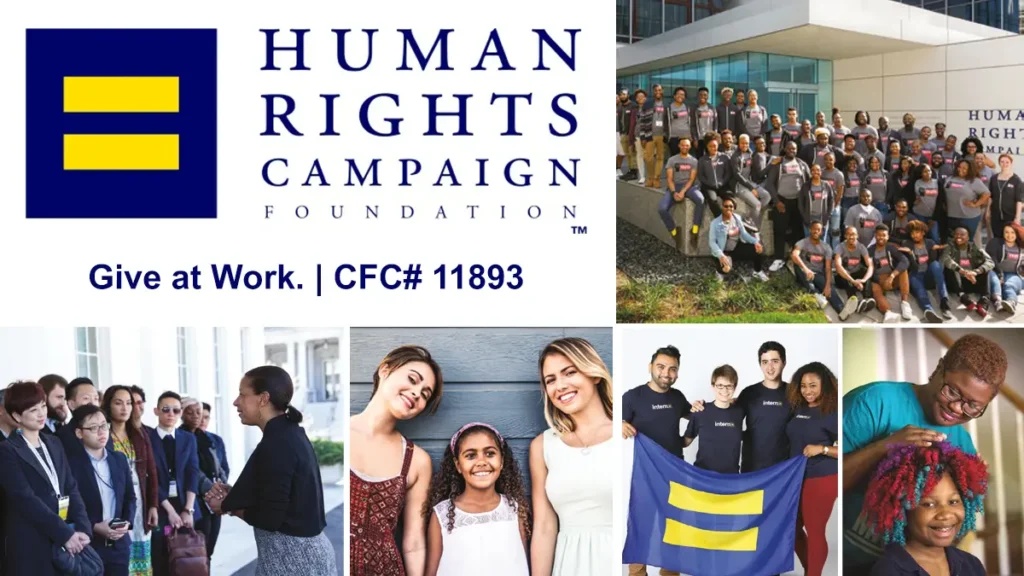
Programs like MOTIVATE and ELÉVATE connect community members with resources, build leadership capacity, and fight discrimination across multiple fronts. HRC works to educate the public, change laws, and create a world where trans people can live their fullest lives without fear.
8. Trans Women of Color Collective (TWOCC)
Black trans women face compounded violence and discrimination at the intersections of racism, transphobia, and misogyny.
TWOCC creates safe spaces specifically for transgender and gender nonconforming people to practice self-care, educate themselves, empower each other, and strategize for change. They offer three specific funds to help trans people of color and their families cover basic needs like rent, medical bills, and tuition.
9. Trans Youth Equality Foundation (TYEF)
No family or transgender, gender-nonconforming, or intersex youth should be without quality resources and support. TYEF organizes summer camps for trans youth where kids can just be themselves without judgment.
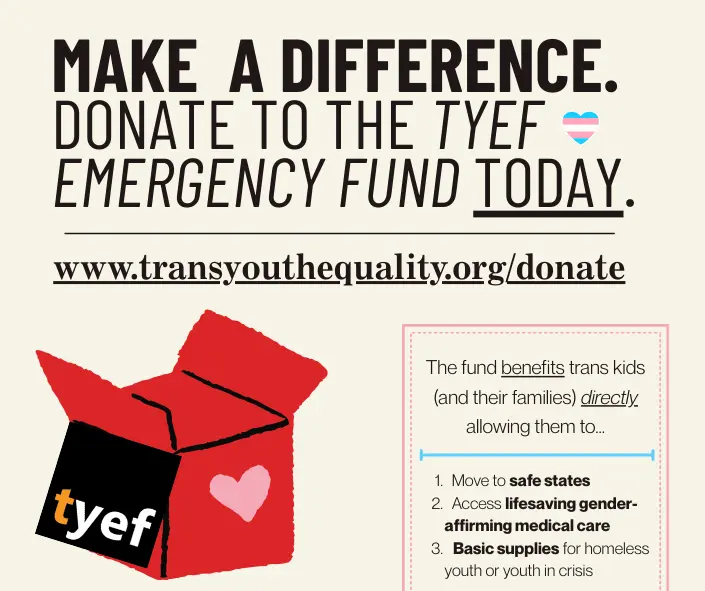
They also run support groups for parents, provide workshops tailored to individual schools’ needs, and offer toolkits for medical professionals working with trans youth. Their work ensures young people and their families have the knowledge and community they need.
10. The Trans and Nonbinary Educators Network (TEN)
Founded in 2015, TEN creates space for trans, nonbinary, genderqueer, and gender nonconforming educators working with students from pre-kindergarten through 12th grade.
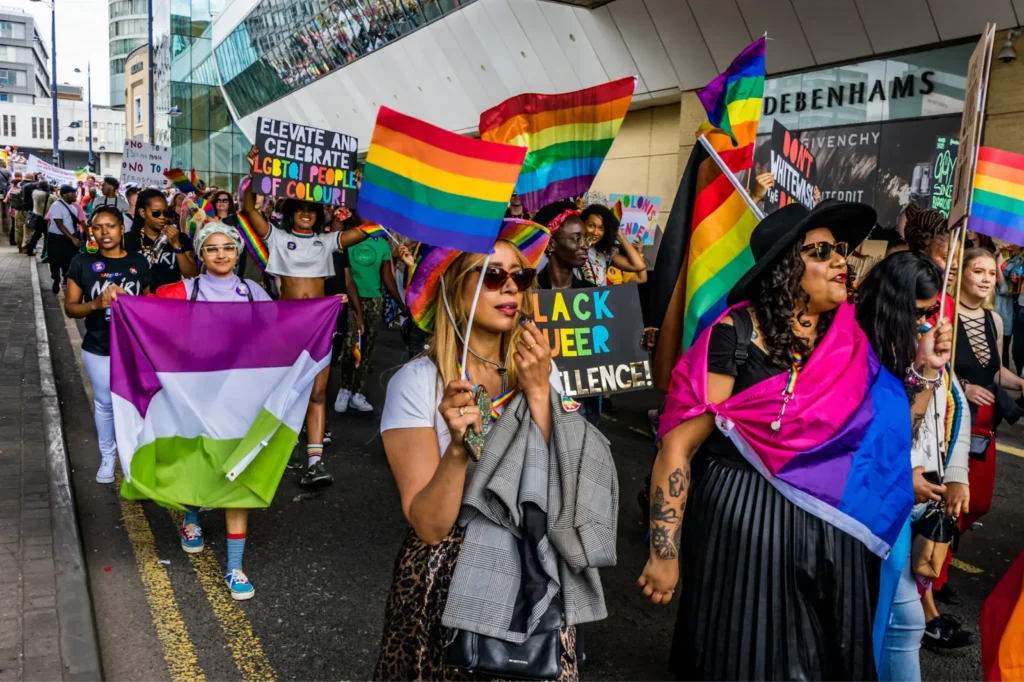
With over 300 members across North America, they host monthly meetups in major cities and provide resources for trans educators searching for jobs, healthcare, legal services, and supportive communities. Teachers face unique challenges maintaining professional lives while living authentically, and TEN helps educators navigate that terrain.
Building Meaningful Connections Across the Country
Geography shouldn’t determine whether you can find community. Trans organizations operate nationally, but local connections matter too. Major cities often have more visible trans communities and dedicated resources. Looking to find trans women near me means knowing where to search.
- The Northeast has active scenes for trans dating Boston and opportunities to meet trans Philadelphia.
- The Mid-Atlantic region offers options for trans dating in Washington. Out West, LA ts dating provides connections in one of the country’s largest LGBTQ populations.
- Southern cities have thriving communities too. You’ll find people interested in Tampa trans dating, meeting Atlanta ts, and exploring Orlando trans dating.
- The East Coast rounds out with transgender dating in NYC and Miami trans dating.
Even mainstream apps are slowly improving.
Wondering how to find trans girls on tinder? It’s possible, though dedicated platforms often provide better experiences since everyone there already understands and respects trans identities.
Beyond dating, connecting with local trans communities means finding people who share your experiences, attending events, volunteering with local charities, or simply making friends who get it. Organizations often host community events where people can network, learn, and build relationships that matter.


I want people to know that not only has it been life-changing for me, I do believe it is life-saving and it’s the case for so many people.
Source, January 4, 2026
How to Get Involved and Make a Difference
You don’t have to identify as transgender to support trans rights and trans lives. Allies play crucial roles in creating change, and these organizations need support from everyone who believes in equality.
Donating helps organizations maintain programs, fight legal battles, and provide direct services to people who need help. Even small monthly contributions add up when enough people participate. Financial support keeps crisis hotlines running, funds legal representation, and ensures families can access education about supporting their kids.
Volunteering offers another way to contribute. Local PFLAG chapters need facilitators for support meetings. Organizations need people to staff booths at pride events, help with administrative tasks, or use professional skills like graphic design or social media management. Trans people shouldn’t have to do all the work alone—allies sharing the load makes the fight more sustainable.
Educating yourself means you can educate others. Read materials from trans-led organizations to understand issues affecting trans communities. Learn about pending legislation in your state. Share accurate information when you encounter misinformation, and call out transphobia when you witness it. Sometimes the most powerful thing allies can do is speak up in spaces where trans people aren’t present to defend themselves.
Showing up matters. Attend rallies supporting trans rights. Sign petitions. Contact your representatives when bills threatening trans people come up for votes. Let trans people in your life know you support them—not just once, but consistently over time. Small acts of affirmation can make profound differences in someone’s life.
The Future Depends on Continued Support
The past few years have seen unprecedented attacks on trans rights in state legislatures across the country. More anti-trans bills were filed in recent sessions than ever before in history. Laws restricting trans healthcare, banning trans youth from sports, censoring discussions of gender identity in schools, and criminalizing parents who support their kids—all of these represent bold efforts to erase trans existence from public life.
Trans organizations respond to these attacks by fighting on multiple fronts simultaneously. Legal teams challenge discriminatory laws in court. Policy experts work with sympathetic legislators to introduce protective legislation. Communications teams help trans people tell their own stories in their own words to counter harmful narratives. Community organizers mobilize people to take action.
But organizations can’t do this work without resources. They need funding to hire expert staff, maintain programs, and sustain long-term initiatives. They need volunteers to expand their reach. They need allies to amplify their messages and stand with them in fights that directly threaten trans lives.
The future that trans organizations work toward looks different from today’s reality. It’s a world where trans youth grow up supported by families, schools, and healthcare providers. Where trans adults access employment, housing, and healthcare without discrimination. Where violence against trans people, especially Black trans women, becomes unthinkable rather than tragically common. Where trans people lead full lives marked by joy, love, and possibility rather than fear.
That future requires continued effort from everyone who cares about justice. It means supporting organizations doing this work, showing up for trans people in your life, and refusing to accept a world where some people’s existence is treated as debatable.
If you want to contribute to building connections within trans communities specifically, platforms like Fiorry help create spaces where trans people can find love, companionship, and genuine human connection. Dating can be fraught with complications for trans people—safety concerns, disclosure anxieties, and the exhausting process of screening potential partners who might not respect their identity. Dedicated platforms reduce those barriers by creating spaces where everyone already understands and values trans experiences.
Frequently Asked Questions
What is the biggest LGBTQ charity?
The Human Rights Campaign is one of the largest LGBTQ advocacy organizations, with extensive resources dedicated to trans rights through their Trans Justice Initiative and other programs serving the broader community.
Who is the largest employer of transgender people?
While specific data is limited, major corporations like IBM, Microsoft, and Apple have strong non-discrimination policies and actively recruit LGBTQ employees. Many tech companies lead in trans-inclusive hiring.
What is the best trans group?
The “best” organization depends on your needs. A4TE excels at policy and legal work, Trans Lifeline provides crisis support, PFLAG offers family resources, and TLC leads in trans-led advocacy. Choose based on what help you need.
Where is the largest trans community?
Major metropolitan areas like New York City, Los Angeles, San Francisco, and Chicago have large visible trans populations with extensive community resources and support networks.
How to find trans support groups?
Start with PFLAG’s chapter locator for family support, check Trans Lifeline’s resources for peer support, or contact organizations like A4TE and TLC for referrals to local groups in your area.
Who is the biggest trans influencer?
Elliot Page, Nikkie de Jager (NikkieTutorials), and Kim Petras have massive platforms. However, many influential trans advocates work at grassroots levels, telling their own stories and creating change in their communities.
Are trans people happier after transitioning?
Research consistently shows that access to gender-affirming care significantly improves mental health outcomes for trans people. Studies report increased life satisfaction, reduced depression and anxiety, and lower suicide risk after transition.
Time to read: 12 min.


PR Manager
Olena Kosonogova
Real equality comes from having a national health system that offers consistent, respectful care across all regions, not a lottery based on where you happen to live