



Top Trans-Friendly Cities in Canada: Definitive Guide
Editor:
Olena Kosonogova
Author:
Olena Kosonogova
Olena Kosonogova (she/her) is Chief Information Officer at Fiorry. Olena brings a background in social work and psychology, which gives her a unique perspective on information strategy, systems thinking, and user-focused infrastructure. She oversees data flows, internal systems, and the alignment between technology and communication across the platform. Drawing on her experience in public relations and strategic operations, she helps ensure that Fiorry’s information architecture supports both growth and clarity. Outside of work, Olena values balance through tennis, spending time outdoors, and challenging her mind with a thoughtful game of chess.
Key Takeaways
Canada topped the 2024 Gay Travel Index alongside Malta, New Zealand, Portugal, and Spain. The country ranks third globally in the Trans Rights Index. But is Canada trans friendly everywhere?
Not exactly.
Provincial politics create different realities. For instance, Alberta banned puberty blockers for trans youth under 16. Meanwhile, Yukon offers North America’s most comprehensive gender-affirming healthcare. This shows that the city matters as much as the country.
Why Location Matters for Trans People in Canada
Canada legalized same-sex marriage in 2005, becoming the fourth country worldwide. In 2022, it became the third country to ban conversion therapy for minors and adults. The Canadian Human Rights Act protects against discrimination based on gender identity and gender expression.
You can change your gender marker on federal documents like passports and citizenship certificate without surgery. Most provinces allow gender designation changes on birth certificates. Trans healthcare falls under provincial jurisdiction, meaning coverage varies wildly.
Here’s the reality: transgender rights exist nationally, but implementation happens locally.
A trans person in Toronto accesses care differently than someone in rural Saskatchewan. Safety, community, and healthcare quality shift dramatically by city.
Finding the right city means understanding where progressive laws translate into lived experience. Whether you’re already Canadian or relocating to Canada transgender, this guide shows you which cities deliver and which disappoint. But overall, note that Canada is generally safe for trans people.
For those searching for trans women on Tinder, major cities show up, but dedicated apps provide better experiences. Knowing how to find trans woman near me means understanding which platforms trans people actually use locally.
Dating apps like Fiorry create safer spaces for trans near me connections without mainstream platform transphobia.


10 Most Trans Friendly Cities in Canada: The Top Picks
Let’s get into today’s business. Here are the top trans-friendly cities in Canada.
Toronto, Ontario
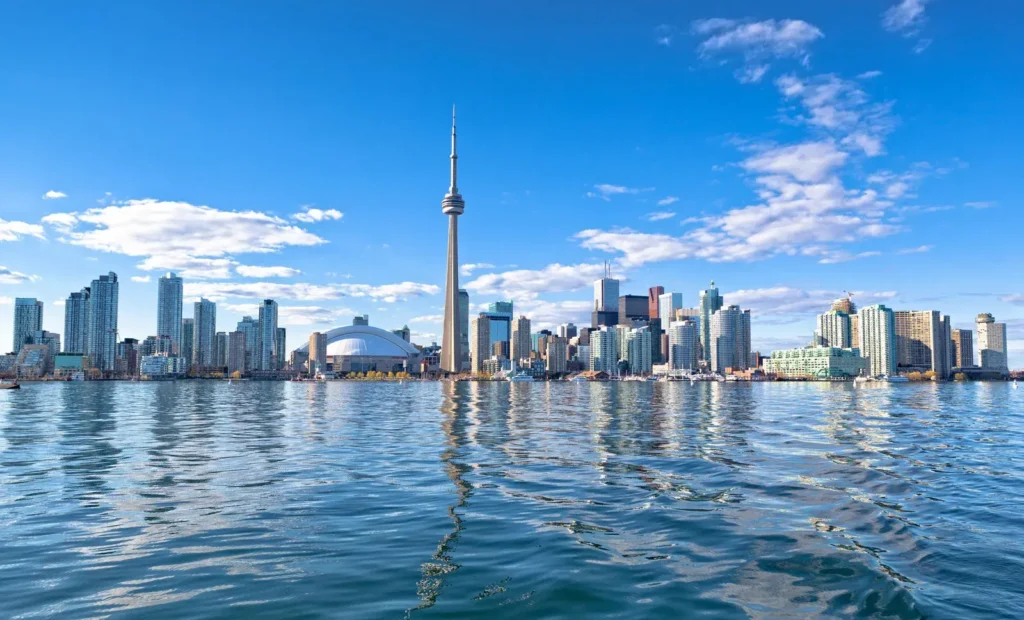
Canada’s largest city hosts one of North America’s oldest LGBT friendly neighborhoods; Church-Wellesley Village. We didn’t pick Ontario just because of it’s lively LGBT nightlife (though that counts too). We considered criteria like health services, advocacy organizations, shops, and residential communities where queer-friendly culture runs deep.
For example, Sherbourne Health runs Rainbow Health Ontario, improving trans health outcomes across the province. Their directory connects trans and gender diverse people with qualified providers. For transgender dating Ontario, Toronto’s massive population means more potential matches and multiple queer neighborhoods with different vibes.
Gender-affirming hormone therapy? Any primary care physician in Ontario can prescribe gender-affirming hormone therapy, so you don’t need to wait for so long to meet a specialist. Women’s College Hospital opened a transgender surgical clinic in 2017. And the Ontario Health Insurance Plan covers many procedures, though some require referrals to Montreal’s GRS clinic.
Vancouver, British Columbia

Vancouver sits on Canada’s west coast in British Columbia, consistently ranking among the most LGBTQ-friendly cities globally. Davie Village in the West End has been the heart of the gay community since the 1970s. Davie Street runs through this area, with rainbow crosswalks and LGBTQ-affirming businesses.
Commercial Drive in Grandview attracts alternative queer crowds with counterculture energy and independent shops.
Both neighborhoods offer different community flavors.
The catch? British Columbia doesn’t let residents born outside the province change their legal gender on birth certificates. You’d use federal immigration routes instead. For Vancouver trans dating, the city offers laid-back West Coast vibes with outdoor-oriented matches.
Vancouver provides mild winters, hiking trails, ski resorts nearby, and thriving tech employment. The lively nightlife in the gay village creates social connection, though housing costs rival Toronto’s.
Montreal, Quebec

Montreal blends North American progressiveness with European flair. The Gay Village is one of North America’s largest gay villages, centered on Sainte-Catherine Street East. Summer transforms it into a pedestrian zone filled with patios and pride flags.
You can meet trans in Montreal for bilingual charm and European sensibility. The city offers lower costs than Toronto or Vancouver, rich cultural festivals, and excellent restaurants. Montreal embraces sexual orientation and gender identity diversity as core values.
Quebec City, 2.5 hours northeast, provides quieter alternatives with old city charm but more conservative attitudes outside downtown. For trans dating in Quebec generally, French language skills open more doors.
Ottawa, Ontario

Canada’s capital benefits from federal government presence and strong workplace protections. Bank Street Gay Village in Centretown provides community space, though smaller than Toronto or Montreal’s districts.
Ottawa accesses healthcare through Ontario’s system—primary physicians prescribe hormones, surgical referrals follow provincial channels. Government jobs also typically include comprehensive benefits covering gender-affirming care.
The city is quieter than Toronto, more affordable, and fully bilingual. It’s ideal for trans people seeking stability and government employment without big-city chaos. On another note, understanding benefits of dating a trans woman helps cisgender partners approach relationships respectfully.
Calgary, Alberta
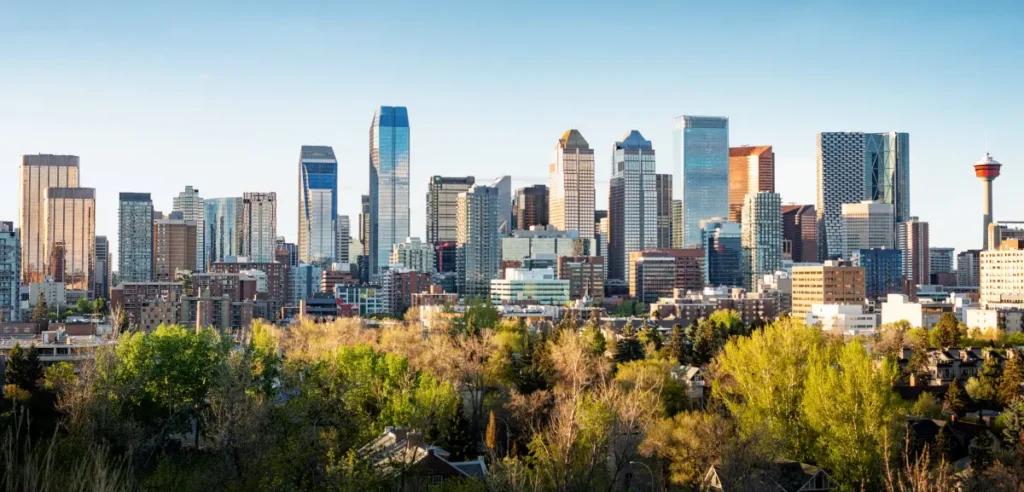
Calgary is kind of a paradox. Alberta enacted Canada’s worst anti-trans laws, restricting youth healthcare and banning gender reassignment surgery for minors under 18. Yet, Calgary maintains vibrant queer communities pushing back against provincial policies.
There are also some amazing trans-friendly spots and initiatives here. For instance, the Beltline neighborhood on 17th Avenue SW hosts LGBTQ-friendly bars, clubs, and restaurants. Venues like Twisted Element draw crowds. Calgary Pride Festival happens annually through Pride Calgary, a non profit organization.
The Centre for Sexuality also offers counseling and organizes Camp fYrefly for LGBTQ adolescents. Adult trans healthcare continues despite youth restrictions, but political uncertainty makes long-term planning difficult.
Note: A judge temporarily blocked Alberta’s ban in June 2025, but legal battles continue.
Edmonton, Alberta
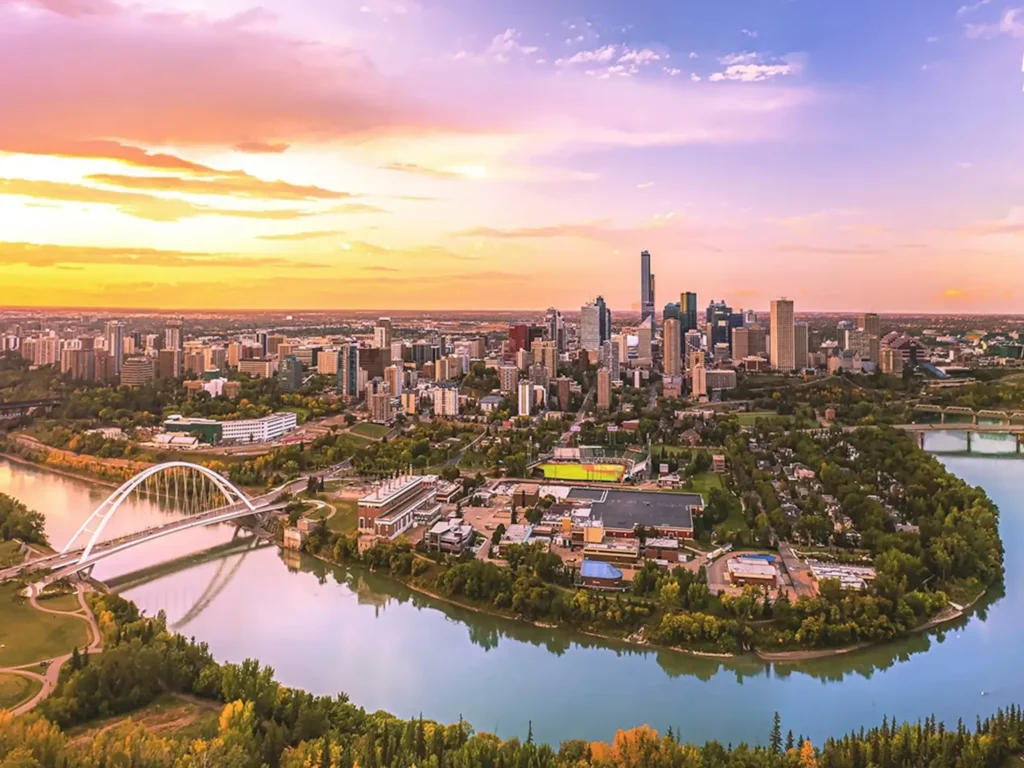
Edmonton shares Alberta’s provincial politics but offers different energy. The University of Alberta brings progressiveness. Pride Centre of Edmonton provides counseling, youth programs, and workshops.
Edmonton faces the same provincial healthcare restrictions as Calgary for youth. But the city is more affordable than Calgary with stable government and education employment. Harsh winters and northern isolation are trade-offs.
Winnipeg, Manitoba
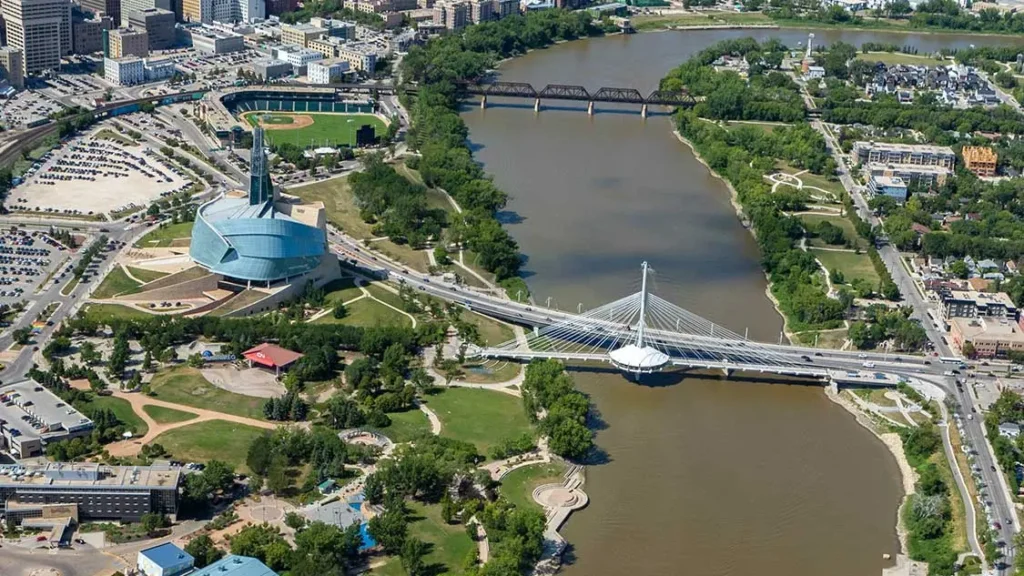
Manitoba’s NDP government strongly supports trans rights. The province won a decisive 2023 election after Progressive Conservatives campaigned on “parental rights”—voters rejected anti-trans rhetoric.
Manitoba’s first trans MLA was elected in 2023. The Health Minister is non-binary. This political culture makes Winnipeg favorable for trans people. The province covers various transition surgeries and allows gender marker changes without surgery after one year of residency.
Winnipeg offers significantly lower living costs than western cities while maintaining solid community infrastructure and progressive provincial leadership.
Victoria, British Columbia
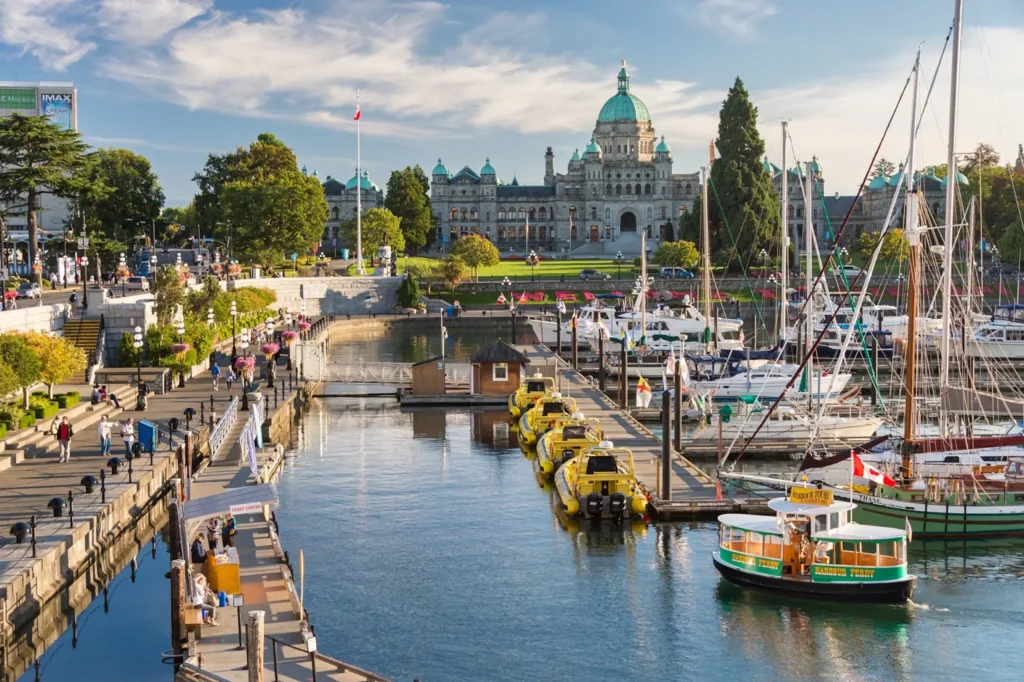
British Columbia’s capital on Vancouver Island provides the province’s trans-friendly policies in a smaller, more affordable package. Victoria has strong arts scenes, mild climate year-round, and access to Trans Care BC services without Vancouver’s housing costs.
The West Coast location means outdoor recreation, ocean views, and a more relaxed pace than major cities while maintaining robust legal protection and healthcare access.
Whitehorse, Yukon
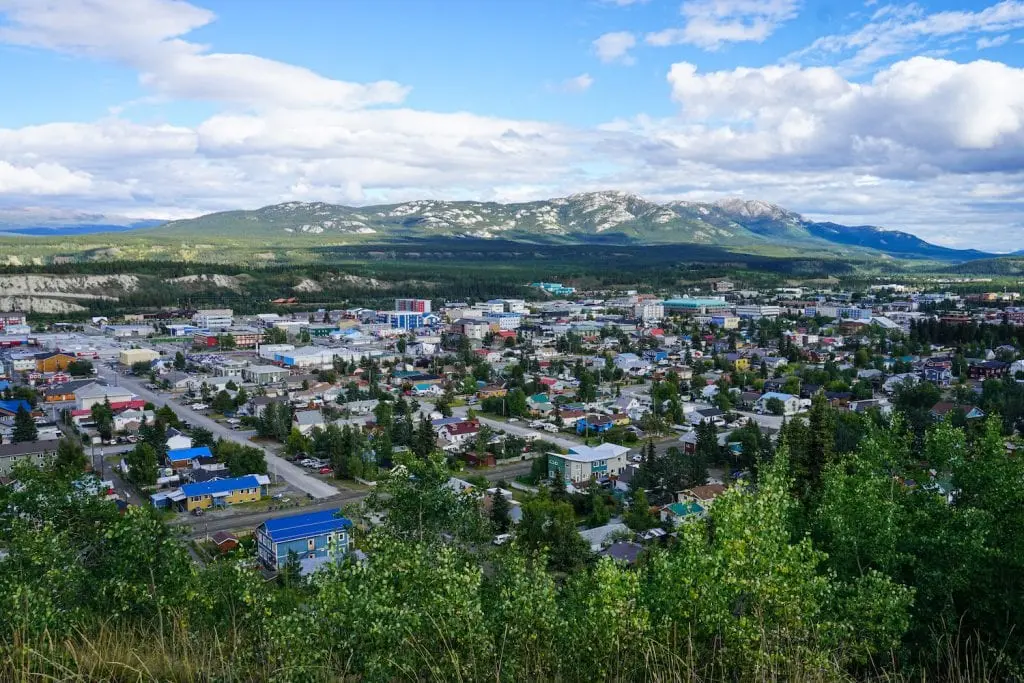
Yukon offers the country’s most comprehensive gender-affirming healthcare. Everything from chest and genital surgeries to body contouring, facial surgeries, and voice training gets territorial healthcare funding.
Whitehorse has under 30,000 people but extraordinary coverage.
Trade-offs include harsh winters, isolation from major cities, limited employment outside government and tourism, and higher goods costs. But for trans people prioritizing healthcare access, Yukon deserves serious consideration.
Quebec City, Quebec
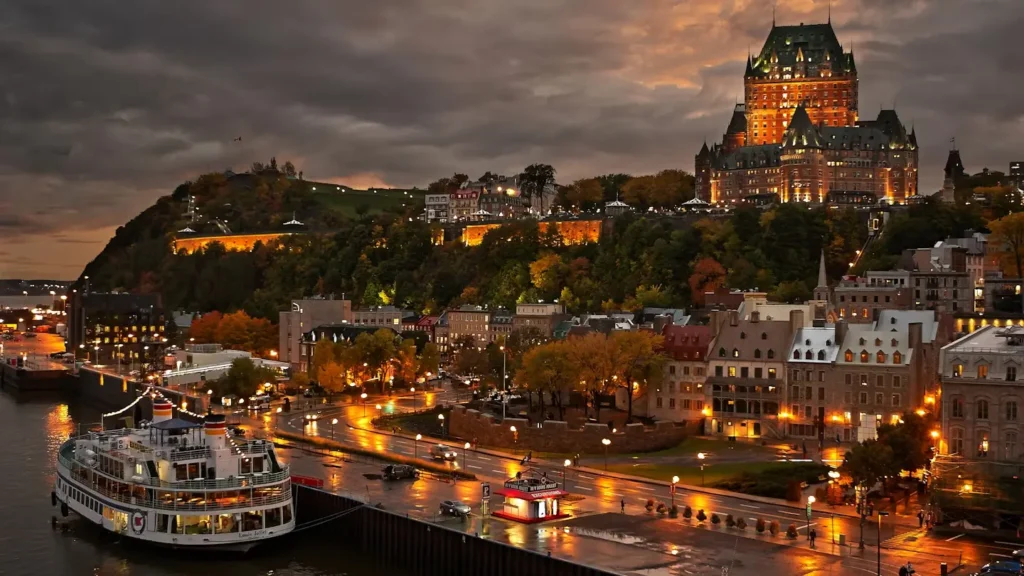
Quebec City offers old city European charm with more conservative social atmosphere than Montreal. Smaller LGBT community means less visibility but tighter bonds. Provincial legal protections remain solid under Quebec law.
French language matters more here than Montreal. You’ll need functional French for daily life and accessing public services. The city provides quieter alternatives to Montreal’s energy while maintaining access to Quebec’s gender-affirming surgery coverage.


Self-definition and self-determination is about the many varied decisions that we make to compose and journey toward ourselve
Source, February 4, 2014
Practical Considerations for Moving
Before moving to any of these cities, here are some important points to note;
- Provincial Healthcare Breakdown: British Columbia covers comprehensive surgeries through Trans Care BC. Ontario covers many procedures through OHIP, but some require Montreal referrals. Quebec centralizes all funded surgeries at GRS Montreal. Alberta covers adult procedures, but youth restrictions create uncertainty. Manitoba covers a wide surgical range with a one-year residency requirement. Yukon provides most comprehensive coverage, including voice training and facial surgeries.
- Healthcare Transition: Bring medical records, hormone prescriptions, and provider referrals when moving. Establish care in your departure location first. Ontario and British Columbia offer the smoothest care transitions.
- Gender Marker Changes: Federal documents change regardless of residence. Provincial documents follow provincial rules. Some provinces require you were born there to change birth certificates—a major limitation for immigrants.
- Employment: Major cities offer more trans-inclusive workplaces in tech, education, healthcare, and government. Research employer diversity policies before accepting positions. Government jobs typically provide better benefits coverage.
- Community Connection: Join online communities before moving. Facebook groups, Reddit, and trans dating apps help you understand a city’s vibe. This networking makes transitions easier.
- Cost of Living: Vancouver and Toronto are expensive. Smaller cities offer affordability but fewer resources. Calculate housing, healthcare, and transportation against income. Community infrastructure significantly impacts mental health.
Finding Your Perfect City
We’ve covered some of the best provinces and cities in Canada. But the “best” city depends on priorities. Healthcare access? Consider Yukon despite isolation. Community? Toronto delivers despite costs. Outdoor recreation with trans-friendly policies? Vancouver or Victoria. Bilingual culture with lower costs? Montreal wins.
Most inclusive cities for overall quality: Toronto, Vancouver, and Montreal lead with comprehensive resources. Ottawa, Victoria, and Winnipeg follow with strong communities in smaller packages. Calgary and Halifax offer good local support navigating challenging circumstances.
Start by identifying non-negotiables. Need immediate surgical access? Focus on cities with established gender clinics. Is community connection essential? Major cities with visible trans populations work best. Prioritize safety? Review crime data and hate crime statistics.
Connect with trans people already living in potential cities. Ask about real experiences, not just what laws promise. Most trans folks share insights gladly when it helps someone make informed decisions. For trans dating Canada specifically, major cities offer the largest dating pools and most diverse community options.
No city is perfect. Even Canada’s most LGBT friendly cities have gaps and frustrations. The goal is finding a place where you can build life, access healthcare, find community, and live authentically.
Ready to start building your Canadian trans community? Download Fiorry to connect with trans people in your future city. Because relocating to Canada transgender isn’t just about laws—it’s about finding your people.
FAQs
Where is the best place for trans people in Canada?
Toronto, Vancouver, and Montreal rank best overall with comprehensive healthcare, large communities, and strong legal protection. Toronto offers Canada’s largest trans community and most services. Vancouver provides West Coast progressiveness. Montreal delivers European culture with lower costs. Yukon Territory has Canada’s most comprehensive healthcare coverage despite small size.
Is Canada friendly to trans people?
Yes, Canada ranks first in the Gay Travel Index and third in the Global Trans Rights Index. Same-sex marriage has been legal since 2005, and conversion therapy was banned in 2022. The Canadian Human Rights Act protects trans people from discrimination. However, provincial variations exist—Alberta restricted youth healthcare while Manitoba strengthened protections.
Is Canada the safest country for LGBTQ?
Canada ranked first in the 2023 LGBTQ+ Danger Index as safest globally. Strong legal protections, hate crime legislation, and social acceptance in major cities create safe environments. However, safety varies by location—urban centers like Toronto and Vancouver offer excellent safety while rural areas face challenges.
What is the most LGBTQ accepting city?
Toronto is Canada’s most LGBTQ accepting city with decades-old Church-Wellesley gay village and massive Pride celebrations. Vancouver and Montreal follow closely. Internationally, these Canadian cities rank alongside Amsterdam, San Francisco, and Berlin for LGBTQ acceptance.
What are the most trans friendly cities in Canada?
Most trans friendly cities are Toronto (largest community), Vancouver (comprehensive Trans Care BC), Montreal (specialized surgical center), Ottawa (government benefits), Victoria (BC policies, smaller city), Winnipeg (progressive government), Halifax (strong community despite size), and Whitehorse (best healthcare coverage in North America).
Can you immigrate to Canada if you’re trans?
Yes, being transgender doesn’t affect Canadian immigration eligibility. You can change your gender marker on federal immigration documents without surgery using form CIT 0404. Many trans people choose Canada specifically for progressive policies. Once in Canada, you access gender-affirming healthcare and enjoy full legal protection regardless of citizenship status.
Time to read: 11 min.



PR Manager
Olena Kosonogova
Communities that embrace diversity don’t just tolerate differences—they celebrate them and create space for everyone to thrive