



Can Straight People Go to LGBTQ Bars
Editor:
Olena Kosonogova
Author:
Olena Kosonogova
Olena Kosonogova (she/her) is Chief Information Officer at Fiorry. Olena brings a background in social work and psychology, which gives her a unique perspective on information strategy, systems thinking, and user-focused infrastructure. She oversees data flows, internal systems, and the alignment between technology and communication across the platform. Drawing on her experience in public relations and strategic operations, she helps ensure that Fiorry’s information architecture supports both growth and clarity. Outside of work, Olena values balance through tennis, spending time outdoors, and challenging her mind with a thoughtful game of chess.
Key Takeaways
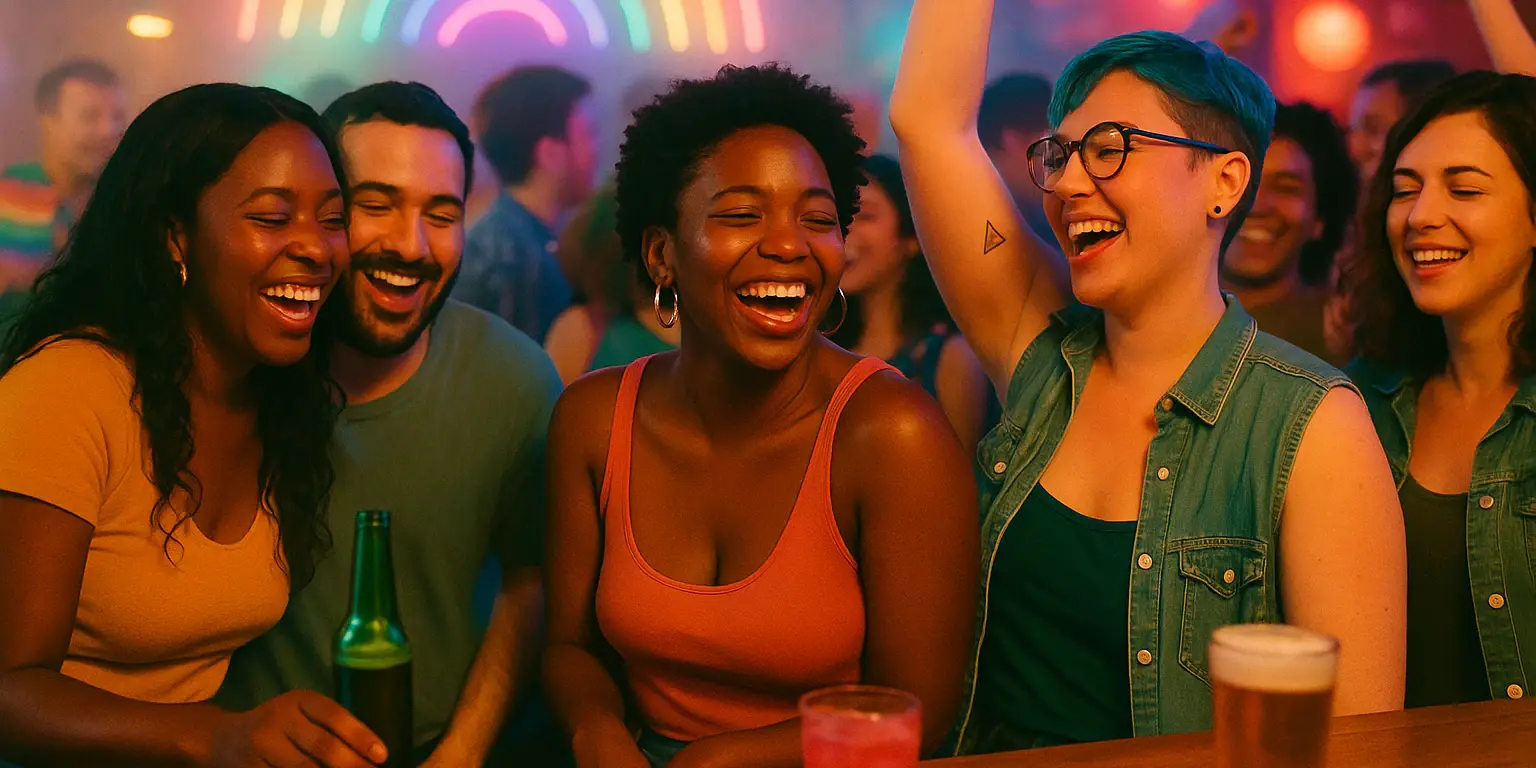
Walking into an LGBTQ bar for the first time can feel unfamiliar — like stepping into a scene you’ve heard friends describe but never tried yourself. Many straight women, men, or mixed groups heading out for a night of dancing or drinks aren’t sure whether these spots are open to them, or if they’ll accidentally break some unwritten rule. The question makes sense: people just don’t want to feel out of place in a club, and they don’t want queer folks to feel crowded out either.
Some of that hesitation comes from not knowing the usual vibe. Gay bars grew from years of queer community-building, long before they became popular hangouts for gay men, lesbians, bi people, trans people, and anyone who needed a place to breathe. If you’re a straight visitor, it’s natural to wonder where you fit into all of that.
So here’s the simple version: yes, straight people are welcome — but with the understanding that these places exist first and foremost for LGBTQ people. Being thoughtful, paying attention to the room, and reading the moment usually covers everything.
Plenty of newcomers first discover queer nightlife through online conversations or searches — sometimes even while exploring trans dating, which unexpectedly overlaps with nightlife culture more often than people think.
In short: can straight people go to LGBTQ bars? Definitely. Just show up curious, respectful, and ready to enjoy a night that wasn’t originally built for straight people — but has room for them when they show care.
What This Question Is Really About
When straight people ask whether LGBTQ bars are “okay” for them, the worry usually isn’t about what’s being played or poured. It’s more about that awkward moment of wondering, “Am I crashing something?” Many straight guys picture walking in and immediately feeling out of sync with the room, or saying something that lands wrong simply because they’re not used to queer nightlife.
A lot of this comes from not growing up inside the same jokes, habits, or comfort zones that queer folks share. Even people who have gay friends sometimes feel unsure how the broader community works — and they don’t want to step on anyone’s toes.
That hesitation is normal. It just means people want to be respectful, not accidentally take up space that isn’t meant for them.
Why Straight Visitors Feel Curious
A lot of straight visitors check out LGBTQ bars for pretty normal, down-to-earth reasons. Some feel that straight bars can be a little tense, while queer spots usually feel more relaxed and less show-offy. Others like that the dancing feels loose and unforced. And plenty of gay people will say the same thing: nobody’s sizing you up all night.
Many straight folks also just want to support their LGBTQ friends — show up for a birthday, a celebration, or simply tag along somewhere that feels comfortable for everyone. Time in queer spaces can be a refreshing change of pace from the usual nightlife vibe.
Curiosity can even start from small offline moments — like hearing someone explain how they first learned to meet trans near me through a local support group, which makes people realize there’s a lot they haven’t encountered before.
In the end, most straight visitors simply want a friendly place to have a good night out.
What Makes LGBTQ Bars Different
LGBTQ bars grew out of community spaces, not just nightlife trends, and that gives them a different feel. People don’t attend gay bars only for drinks — they go because the rooms tend to be easier to talk in, and no one feels pressured to tone themselves down. Even the dancing is looser and more expressive than what you might see elsewhere.
From the outside, it might look like just a bar, but once you’re inside, you start noticing the small habits and cues people share — friends checking in on each other, someone stepping in if a situation feels off, gay guys hyping up a drag show with genuine excitement.
These places aren’t trying to be exclusive. They simply come from a history of creating rooms where judgment doesn’t get the final say.
LGBTQ Nightlife Today

Modern queer nightlife is loud, lively, and centered on people having a good time — drag shows, music-heavy rooms, and dance floors that never really calm down. A typical gay club feels less formal and more expressive, the kind of place where you can talk about clothes, news, or same-sex marriage without anyone acting weird about it. For many, it’s one of the few environments where their sexual identity doesn’t feel like a big deal.
Queer nightlife also spills into daytime community life. At local meetups or workshops, people ask practical things — like how to find trans women near me through community groups — because they’re trying to understand resources, not plan a party. Both sides of queer culture share the same spirit: people watching out for each other.
Today’s LGBTQ nights feel open, creative, and built around connection.
Why LGBTQ Bars Matter
Before queer nightlife looked anything like it does today, LGBTQ bars were some only places where people could simply exist without fear. In the mid-20th century — when harassment and discrimination were routine — these bars gave people a chance to meet others who understood their lives. They weren’t fancy or polished, but they allowed the early shape of queer culture to form in real time.
Stonewall became a turning point partly because bars were where the community actually gathered. When the uprising happened, it pushed the fight for visibility and rights out into the open. From then on, nightlife wasn’t just about fun; it became a place to celebrate and quietly push back against the limits society tried to set.
Even now, that history is still felt. LGBTQ bars often feel meaningful to people who didn’t grow up with accepting families or safe neighborhoods. You’ll see straight friends showing support, and even straight men learning by being present. That background explains why these places continue to matter.
Safe Spaces and Visibility
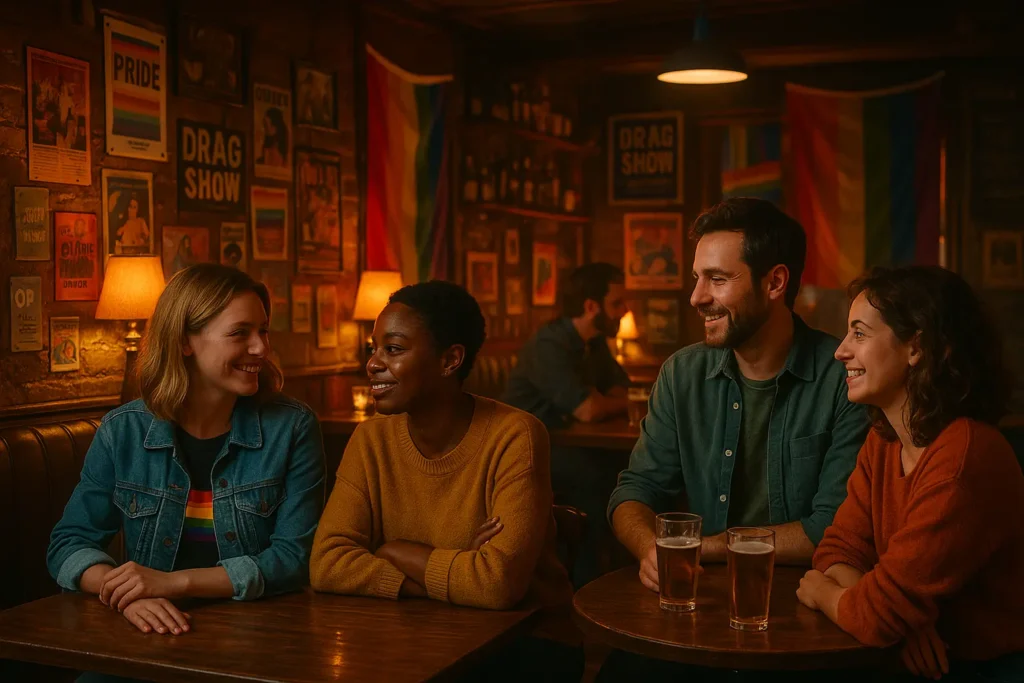
Safety in LGBTQ bars isn’t only about avoiding trouble. It’s about having a place where you can talk, dance, or hang out and actually feel at ease. That’s why gay spaces still mean a lot to many queer people — they offer emotional comfort as much as physical safety. You don’t have to explain yourself or wonder whether someone will react strangely to a simple comment.
Visibility ties into that sense of comfort. Seeing others live openly helps people realize they’re not dealing with everything alone. Respecting that visibility means paying attention to etiquette, giving others room, and not turning someone’s identity into a talking point.
And sometimes those boundaries show themselves in funny ways. Bartenders tell stories about straight visitors oversharing once they’ve had a couple of drinks — rambling about breakups, work, or even blurting out things like asking a friend how to find trans women on Tinder in the middle of a crowded bar while the staff is slammed with orders. Not harmful — just awkward — and a good reminder that some topics don’t belong in that setting.
Safe spaces aren’t about excluding anyone. They’re about letting people enjoy the night without someone pushing past their comfort zone, even when free drinks come with questionable energy.
Why These Bars Still Matter Today
For many in the LGBTQ community, these places offer more than a night out. They’re spots where people build circles of friends they can actually count on. Not everyone grows up with support, so having a bar where you can relax, joke around, or show up exactly as you are becomes something you remember for your entire life. Sometimes it’s the smallest things — a familiar bartender, someone cheering for you on the dance floor, or a quick “you good?” from a stranger.
These rooms also give people a break from everything they deal with outside. When the world is shaped by straight privilege, you notice it in a thousand tiny ways — comments, assumptions, looks. A bar where none of that follows you inside feels like a place to finally breathe.
And while nightlife isn’t therapy, it often offers little moments of support that land at the right time. A quick check-in, a conversation, or a bit of kindness can steady someone more than they expect. That’s why these bars still matter today.
Drag, Music & Atmosphere
Drag shows carry the mix of humor and attitude people come for. Drag queens joke, banter, and throw themselves into their performances in a way that sets the whole room at ease. The music is loud, the lights are dramatic, and people dance however they want — no choreography needed.
The crowd is usually a mix of regulars, newcomers, and plenty of straight people in gay bars who come for the energy. And yes, sometimes a bachelorette party shows up and gets a little too excited, but it’s all part of the chaos.
What makes the atmosphere work is the humor, looseness, and the fact that nobody’s trying to impress anyone.
If you want an easy place to meet people without awkward guessing or mixed signals, check out Fiorry. It’s a relaxed space where conversations start naturally and everyone knows they’re welcome.


How to Be Respectful in Queer Spaces
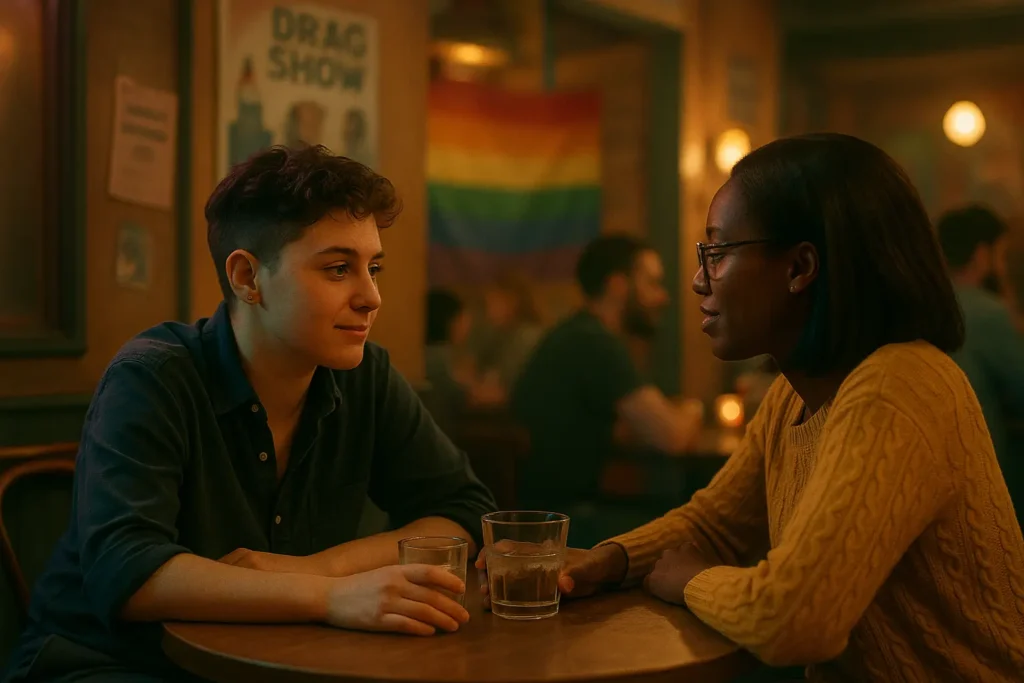
Queer spaces didn’t start out as trendy hangouts — they began as places where people could feel safer and be themselves without overthinking every move. For a lot of queer folks, being out in the world meant watching how a look or a comment might be taken, or hearing someone assume she’s interested for the wrong reasons. Having rooms where that pressure drops matters.
These spaces also protect identity in a simple, practical way: you don’t have to adjust your personality to make others comfortable. People share similar jokes, references, and experiences, so the atmosphere feels familiar even among strangers.
To someone passing through, a queer bar might seem like a tourist attraction, but for the people who go there regularly, it often carries history and comfort. It’s where friends check in on each other and where the idea of safe spaces becomes real, not theoretical.
And knowing how to be respectful in queer spaces means remembering why they were created — by people who didn’t always feel welcome elsewhere.
Understanding Straight Privilege
Straight privilege can sneak in through small things most people barely notice. Straight folks usually talk about their partners without giving it a second thought. Many queer individuals, though, have to weigh what they share and look around for cues that it’s actually safe to be open. That’s especially true for especially women, who deal with different pressures in bars in general.
If you’re straight and visiting queer spaces, just keep in mind that others might move through the room differently than you do. Don’t take over the space, and don’t treat the atmosphere as a reason to push past someone else’s boundaries for one night.
You don’t need to feel tense or overly careful. Just recognize why the space matters to others and act with that in mind.
Common Missteps Straight People Make
Even nice, well-intentioned straight visitors can misread the room sometimes. One common issue is when people try so hard to show they’re “good allies” that it starts to feel rehearsed. Queer folks don’t always read it the same way, especially when they came out just to relax, not to applaud someone’s self-presentation.
Another misstep is treating the bar like a novelty — staring, whispering, or acting like the space is something to gawk at. Interrupting shows or tossing out offhand jokes about looks or gender can sour the mood fast for LGBTQ people.
Some visitors also push conversations too far — asking personal questions or dropping topics like transgender dating UK as if they’re digging for gossip. That’s not connection; it’s just prying.
The simplest etiquette guide rule? Respect the vibe, read the room, and don’t try to turn the night into your moment.
Flirting & Boundaries
Flirting in a queer bar isn’t complicated — it’s the same basic courtesy you’d show anywhere. If you’re straight, remember that not everyone is looking for your attention, and a smile or a joke doesn’t automatically mean someone wants to flirt back. People send signals, and noticing those signals is just part of good etiquette.
If someone leans away, keeps their replies short, or turns toward their friends, they’re letting you know they’re not interested. Keep pushing, and you’ll make people feel uncomfortable quicker than you think. Assuming interest because someone was friendly is a fast way to kill the vibe.
The boundaries here are straightforward: read the moment, respect people’s space, and if the energy shifts, just take the hint and let the moment pass.
What Not to Ask
There are a few topics that really don’t fit in a queer bar. Digging into someone’s identity, asking about surgeries, or fishing for details about their private life isn’t casual conversation — and it can kill the vibe pretty fast. These are personal subjects, not icebreakers.
If you’re actually trying to talk to someone or make new friends, stick to light conversation: music, the crowd, the fun atmosphere, or even the drink specials. What you shouldn’t do is slide into questions that suddenly turn the chat into something overly personal.
A simple check: if a question feels too invasive for any other bar, skip it here too.
How to Blend In Naturally
You don’t need to perform or overthink it. Walk in, see how the night feels, and pay attention to how people interact. If you’re with a group, make sure you’re not taking over the room or drowning out the vibe. Order a drink, settle in, and let the atmosphere guide you instead of trying to shape it yourself.
A friend once admitted he googled the best trans clubs in London before a family trip — not to party there, but to avoid accidentally dragging his parents into a spot they weren’t prepared for. Sometimes paying attention is that simple.
If you’re unsure how to blend in, give the room a minute. It usually tells you what to do.
LGBTQ Bar Etiquette 101
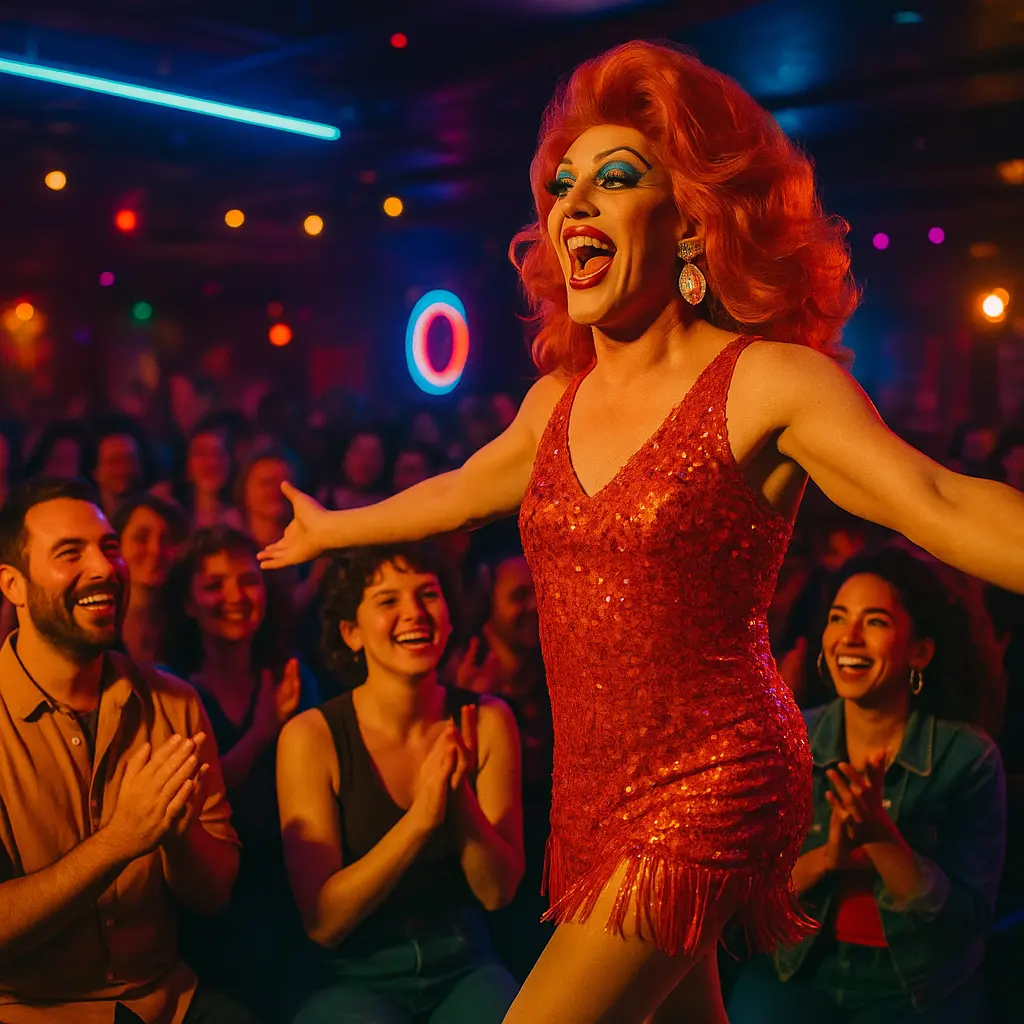
Basic etiquette in queer spaces comes down to common sense. Give people room to move, especially on a crowded dance floor, and don’t assume physical contact is welcome just because the place feels friendly. Consent is part of how people interact, not an afterthought.
Plenty of other gay people in the bar are also figuring out what feels comfortable for them, so being mindful helps everyone settle in.
And pay attention to how your behavior lands with the crowd. Queer spaces stay welcoming because people don’t barrel through conversations or demand attention. Keeping it low-pressure doesn’t make the night stiff — it just keeps things easy for everyone to enjoy.
Respecting Drag Performers
Drag performers are working, and they’re not there to be grabbed or handled. They put real effort into what they do, and the best way to show respect is to treat the stage like a stage. Whatever someone’s sexuality is, being in a spotlight doesn’t make them available for hugs or photos.
Don’t crowd the stage or reach for someone’s costume — grabbing at a performer can turn into sex-related boundary issues fast. If a queen steps into the audience, laugh, react, tip, but let them lead the moment.
Give them the room they need to perform.
Never Record Without Permission
Recording in a queer bar is tricky territory, and a lot of guys don’t think twice about it. But for some people, being filmed can mess with their job, relationships, or everyday life in ways you wouldn’t know just by looking around. Folks come out to relax and meet people, not to worry about where a clip might end up.
So don’t hit record unless everyone in the shot is okay with it. Snapping photos or filming without asking can throw off the mood fast. Privacy matters here, and asking first keeps things comfortable for everyone.
Reading the Room
Reading the room in a queer bar is mostly about noticing what’s happening around you. Some nights feel loud and fast, others are slower and built around people actually talking. If the place is calm, keep your tone easy. If it’s buzzing, leaning into that makes sense. Coming in with the wrong energy can stick out in a way that feels off for the moment — like you walked in from a different world.
And sometimes it’s not the energy but the topic. I once heard someone bring up transgender dating Australia in a quiet bathroom line, and everyone glanced over because it felt out of place as hell — not rude, just strange timing.
Take a second to look around and you’ll catch the mood quickly.
Don’t Make It About You
Queer bars already have their own thing going — the music, the familiar faces, the inside jokes. The quickest way to get side-eyes is acting like the room revolves around you or trying to be the main character in a place that wasn’t built for that. And yeah, people notice it pretty quickly.
The regulars, the boys, the bartenders — they keep the vibe steady because everyone gives each other a bit of support when it matters.
Have your fun, just don’t drown out the people who actually treat the bar like home.
Talking to Strangers Respectfully
Starting a chat in a queer bar doesn’t need strategy — just be normal. Say hi, see how someone reacts, and back off if it’s not landing. If a girl or someone lesbian-identifying is clearly enjoying time with her friends, let her hang without trying to redirect her attention.
And remember: just because you looked up things like transgender bars in Chicago earlier doesn’t mean it belongs in a random conversation.
If the vibe isn’t mutual, a quick “have a good night” is all you need.
Behavior Expectations

Respect in queer spaces starts with something simple: noticing how your behavior fits into what’s happening around you. Keep your tone relaxed, don’t hover too close, and let people move the way they want to without you steering the moment. Nothing fancy — just basic awareness.
People show up for different reasons. Some want real conversation, some want to dance, and some like hanging back and taking in the party without getting pulled into anything. Blending in with the community often means letting others stick to whatever pace or mood they came for.
Boundaries aren’t hard to read. If someone shifts away, gets quieter, or turns their attention elsewhere, ease off. If they stick around and stay open, keep the exchange going naturally. Respect is mostly giving people room to decide how much they want to interact.
Avoiding Straight Stereotypes
Some straight visitors walk into queer spaces with habits they don’t realize they’re carrying, and those habits can throw off the vibe fast. One of the big ones is treating queer folks like something unusual — pointing things out, acting overly amazed, or reacting like every moment is a spectacle that’s happening just for them.
Another stereotype is the self-declared expert. No one needs you explaining queer culture or giving long takes about gender. People come to relax, not listen to someone perform their allyship at full volume.
Attention-grabbing behavior stands out quickly. If you keep jumping into conversations, trying to dominate the room, or forcing your way into groups that didn’t invite you, people notice — and it’s rarely flattering.
The easiest approach: enjoy the place without treating it like a stage. Let people be themselves, and don’t make the night revolve around your reactions.
Recognizing Overstepping
It’s easy to think you’re just being social, but in queer bars, people notice quickly when someone pushes past what feels comfortable. If you toss out a “fun idea” and the other person doesn’t bite, take that as your first sign to slow down.
Most discomfort shows up quietly: short replies, someone leaning away, checking their phone, or shifting their attention toward someone else. Keep pushing after that, and the interaction stops feeling casual — it starts looking like you’re trying to hit something instead of having a real conversation.
Another red flag is pace. If you’re talking too fast, too close, or trying to drag someone into your plans when they clearly aren’t matching your energy, that’s overstepping.
The fix is simple: ease up. If someone wants more interaction, they’ll show it.
Using Tips Properly
Using tips in queer bars isn’t tricky — it’s just a way to show you appreciate good service or a bit of solid entertainment. A few dollars for a sharp line, a smooth pour, or a well-timed moment behind the bar is normal. The issue starts when dudes treat tipping like a way to extend a conversation or get extra attention that the other person clearly isn’t offering.
People also get confused because bars are packed with random flyers, promo cards, and leftover event materials. You might notice something like trans clubs Amsterdam printed on an old postcard tucked near the beer list or next to a tip jar. It doesn’t mean anything — it’s just part of the clutter that piles up in busy places.
Keep your tips simple and honest. Say thanks, leave what feels fair, and let everyone get back to what they were doing.
Supporting Queer Spaces Without Taking Over
Supporting queer spaces often means stepping in only when it’s actually helpful, and stepping back when it isn’t. Sometimes the best thing you can do is simply watch what’s happening around you before deciding whether you even need to be part of the moment.
Real support usually looks low-key: giving people room to talk without jumping in, not taking over group conversations, and letting regulars guide the mood of the night. It’s about making things easier for others, not proving how accepting you are.
And remember that the people who come to these bars already have their own circles, friendships, and relationships. Your role isn’t to reshape that — it’s to fit in respectfully, contribute where it makes sense, and avoid turning the space into a stage for yourself.
Queer Culture Essentials
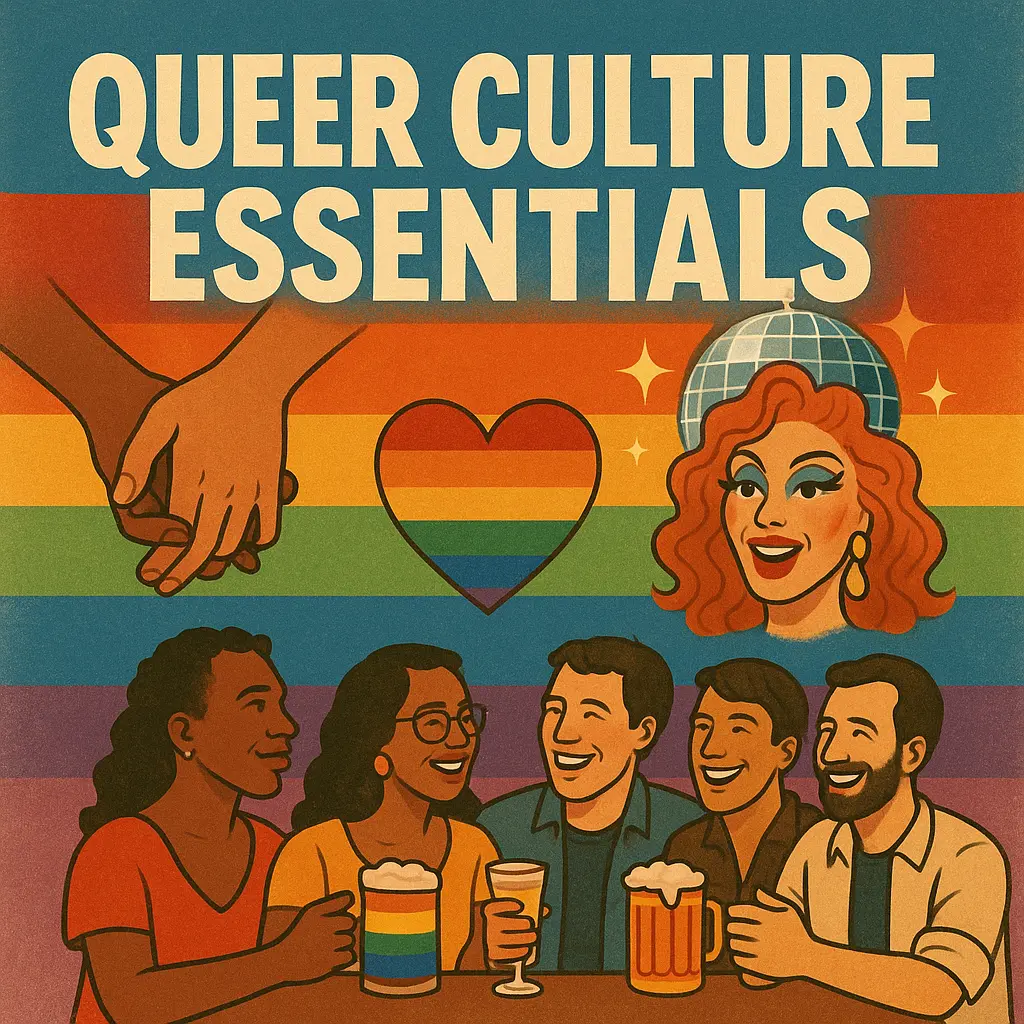
Queer culture grew out of everyday life — the jokes, the shared struggles, the places people built for themselves when others wouldn’t. A lot of it comes from gay communities, but it keeps expanding as more voices add their own experiences and style. It’s not something you memorize; you understand it by showing up, listening, and letting people tell you what matters to them.
Understanding the Basics
Queer culture didn’t appear out of nowhere — it grew from real people figuring out how to live openly and support each other. A lot of its early language and habits came from gay communities, and over time different groups added their own slang, humor, and ways of expressing who they are.
Learning the basics isn’t complicated. You pick up the meaning of words and gestures by being around people, noticing how they talk, and paying attention to what matters to them. The norms are simple too: respect others’ identities, listen more than you assume, and follow the tone of the room instead of trying to set it yourself.
Why LGBTQ Bars Feel Safe
LGBTQ bars feel comfortable because people can walk in without worrying about how they’ll be received. You don’t have to second-guess your clothes, your voice, or who you’re holding hands with. That ease changes the whole atmosphere — the room feels lighter when no one’s waiting for a rude comment or a stare.
A lot of the safety comes from knowing the crowd gets it. Most people are there for a break from the usual pressure, and that makes the space calmer even when the music’s loud. You’re surrounded by folks who understand why acceptance matters and why these places exist.
And sometimes the safest feeling comes from the simplest thing: being able to relax without defending yourself.
Straight Bars vs. LGBTQ Bars
Straight bars and LGBTQ bars can feel different the moment you walk in. In straight bars, the mood often leans toward being louder and a bit more competitive — people trying to impress each other, bigger groups taking over corners, that kind of thing. LGBTQ bars usually have a different atmosphere: people give each other more space, and the night moves at a pace that feels easier to settle into.
The way folks communicate shifts too. In queer settings, people tend to notice social cues quickly — when someone’s tired of talking, when a joke doesn’t land, or when someone just wants to relax without interruption. Boundaries get respected without anyone needing to make a scene about it.
Neither type of bar is “right” or “wrong.” They just work differently, and knowing that helps you adjust without overthinking it.
Mixed-Group Rules
When you’re out with a mixed group — queer and straight friends together — things usually go smoother when no one tries to take over the night. Let people talk, joke, and move at their own pace, and keep an eye out so no one gets pushed to the side.
Being inclusive doesn’t require big speeches. Just don’t talk over people, don’t make anyone the punchline, and don’t assume everyone shares the same comfort level. If you’re unsure how to join in, ease into the moment instead of steering it.
Respect in mixed groups is mostly about keeping the space balanced — adding to the vibe without drowning anyone else out.
Sharing Space Respectfully
Sharing space in a queer bar is mostly about being aware of how you fit into the room. Don’t spread out more than you need to, don’t block the path to the bar or the bathrooms, and try not to jump into every conversation just because it’s nearby. Look around first — it’s usually clear when a group is open to someone new and when they just want to talk among themselves.
And the small stuff counts too. People take turns with phone chargers, move their drinks, so others can squeeze in, and leave little notes or stickers near the outlets and shelves. Every so often you’ll spot something unexpected, like a QR code linking to trans dating USA, left there by whoever used the spot before you. It’s just everyday clutter in a place a lot of people pass through.
The idea is simple: take up only the space you’re actually using, and make it easy for others to do the same.
Common Mistakes
A big mistake straight visitors make is walking in like the place works the same way as every other bar — something that happens a lot with straight men, who might not realize the dynamics here are different. Another misstep is treating the space like a curiosity instead of noticing how people in the room actually interact. And pushing into conversations without reading the vibe first is an easy way to make things awkward for everyone.
When Enthusiasm Turns Into Disruption
Queer bars have plenty of energy on their own, so when straight men come in hyped up, it can tip things in the wrong direction fast. Being overly loud, reacting to everything like it’s a spectacle, or trying to grab the spotlight pulls attention away from people who actually come here to unwind.
Personal space matters too. Moving in too close, touching without checking, or crowding someone who’s clearly trying to relax can make the whole moment uncomfortable. If you’re not sure whether someone’s okay with the energy you’re bringing, ease up a bit and give them room.
Enthusiasm isn’t the problem — taking over the space is. Keeping yourself in check helps everyone enjoy the night.
Misreading Signals
Queer bars are friendly places, and that can confuse some people into thinking a casual chat or a joke automatically means interest. Most of the time it’s just someone being polite or social, nothing more. The trouble comes when someone reads every bit of kindness as an invitation.
The easiest way to avoid that is to pay attention to how the other person responds. If they shift away, get shorter with their answers, or seem focused on something else, they’re probably not looking to keep the conversation going. You don’t have to guess — small cues usually tell you enough.
Reading signals is mostly about staying aware instead of jumping to conclusions. Let people show you they’re interested instead of deciding for them.
Treating Bars as Attractions
Some people walk into queer bars and act like they’re there to observe instead of be part of the night. Staring at folks, whispering about what others are wearing, or reacting like the room is a live show makes everyone around you uncomfortable. People notice that kind of attention immediately, and it changes the whole vibe.
Recording strangers is just as bad. Snapping videos of someone dancing or chatting without asking isn’t “capturing the moment” — it’s invading their night. Most people come to these bars specifically because they don’t want eyes on them all the time.
If you treat the place like something to gawk at, you’re not respecting the people who actually rely on it. Engage like a guest, not an outsider studying the room.
Treating Queer People Like Entertainment
Some visitors walk into queer bars and act like the people there are part of the show, staring or reacting to others like they’re characters instead of real folks trying to have a night out. Asking personal questions out of nowhere or making snap judgments about someone’s identity makes the space tense fast.
Curiosity isn’t the problem — treating people like props is. If you’re genuinely interested, talk to them the same way you’d talk to anyone else: with respect and without assumptions.
Avoiding Fetishization
Fetishizing queer people — whether women, men, or anyone else — turns a real person into a checklist of stereotypes, and that’s where a lot of harm starts. Bars deal with this more often than people think, so staff learn to spot comments or behavior that cross the line early in the night.
During internal discussions, managers sometimes pull up examples of the kind of online searches that hint at someone treating identities like categories instead of people. A phrase like trans dating NYC might show up on a training slide, not as a problem on its own, but as a reminder of how easily curiosity can drift into objectification if someone doesn’t check themselves.
Respect isn’t complicated — it’s just seeing people as individuals, not as roles you assign them.


Real respect in queer spaces shows through everyday behavior — in how you listen, how you give room, and how you show up for people without making it about yourself
LGBTQ Regulars’ Perspective
For LGBTQ regulars, the bar feels like a familiar spot — a place where they don’t have to second-guess themselves. When a visitor comes in, people usually welcome them, as long as the newcomer pays attention to how the room already works. What most regulars want is simple: a visitor who respects the space enough to fit in without trying to take it over.
What Straight Visitors Get Right
Straight guests often do more things right than they think, and regulars usually notice the effort. A visitor who pays attention, follows the flow of what’s already happening, and doesn’t rush to take over a conversation helps keep the night easy for everyone. Small habits — making space at the bar, letting people finish what they’re saying, or taking cues from queer friends — really add up.
What regulars appreciate most is a visitor who treats people normally, without turning the room into something to analyze or comment on. They don’t grill anyone about identity, and they don’t act like they need to “prove” support. That kind of calm, respectful attitude blends in naturally and makes the space feel better for everyone.
Where They Go Wrong
Even well-intentioned straight guests can misread what’s going on in a queer bar. The most common mistake is acting like the room is automatically open to whatever they bring — sliding into private conversations, assuming people want company, or treating the night like something to “check out” instead of something people live in.
Another issue is carrying habits from straight nightlife into a space that plays by different rules. Loud jokes, flirty nudges, or big gestures that might seem harmless elsewhere can land awkwardly here, especially for people who come to queer bars specifically to avoid that kind of energy.
These slip-ups aren’t always dramatic, but they do throw the vibe off — mainly because they show that someone walked in without taking a moment to understand where they actually are.
Why Respect Matters Most
Respect is what keeps queer bars feeling calm and welcoming. People show up hoping they can just exist without being questioned or nudged into someone else’s expectations. One thoughtless comment or pushy moment might seem small to the person doing it, but it can throw someone else off for the rest of the night.
When everyone pays attention to how they move through the space, it helps the room stay warm, relaxed, and genuinely safe for the people who rely on it.
Becoming a Welcome Guest
Becoming a welcome guest in a queer bar usually comes down to how you carry yourself. Pay attention to the vibe, don’t rush into every conversation, and take your cues from the people who already feel at home there. You don’t need to make grand statements or act like you’re proving something — just behave like you understand you’re stepping into someone else’s space.
Guests who get this right make room for others, keep their energy respectful, and let the night unfold without trying to shape it around themselves. That kind of approach makes a big difference in how comfortable the environment feels.
Tips For A Great Night Out
A great night in a queer bar usually comes from paying attention to what’s happening around you and letting the evening unfold naturally. If you’re out with friends, don’t rush them or pull everyone into your plans — let the group find its own rhythm. And most of all, try to move through the space in a way that keeps things relaxed for the people who spend time there regularly.
Choosing the Right Bar
Picking the right queer bar is a lot easier when you and your friends know what you’re in the mood for. Some places blast pop all night and stay busy from the moment doors open, while others feel more low-key — maybe a cozy room, a specific theme, or a crowd that’s there mainly to talk. Every bar has its own pace, so it helps to think about what kind of night you actually want before heading out.
When the spot matches the group’s energy, everything else tends to fall into place.
Matching the Energy
Reading the energy in a queer bar is mostly about noticing how people are carrying themselves. If the room feels calm, keep your pace soft; if it’s lively and loud, you can join in without trying to outdo everyone. What throws people off is when someone walks in acting like they’re starting a whole new party by themselves.
Matching the room doesn’t mean shrinking yourself — it just means easing into what’s already there so you’re part of the atmosphere, not cutting across it.
Dancing & Drinking Comfortably
Dancing in a queer bar is easy as long as you’re not stepping into someone else’s space. Move the way you want, but keep an eye on the people around you so you’re not crowding anyone or pulling them into something they didn’t ask for.
With drinks, the rule is similar: have fun, but stay aware of how you’re handling yourself. Nobody wants to spend their night babysitting a stranger, so pacing yourself keeps things smoother for everyone.
Following the Room’s Vibe
Every queer bar has its own rhythm, and you can feel it within a few minutes of being inside. Some nights people are laughing loud and moving around a lot; other times the room is softer, with folks talking in small groups. Paying attention to that mix helps you join in without drowning anyone out.
You don’t need to match every person — just move in a way that fits the overall tone. When you ease into the space instead of pushing your own pace, the whole night tends to flow more naturally.
Final Thoughts
Queer nightlife works when everyone shares the space with respect. People come to relax and be themselves, which only happens if visitors and regulars stay aware of how they move through the room.
Inclusivity is mostly small gestures — giving someone space, not hijacking the vibe, letting conversations breathe. With that mindset, the night stays comfortable for everyone.
Queer bars also carry a history you can feel: they’ve long been places to meet, breathe, and belong. They’re still everyday safe spots that connect generations and keep queer culture alive.
So the talk about straight people in queer bars comes down to behavior. If you show up with respect and pay attention to the room, you usually fit in. These spaces thrive on people looking out for each other — bringing that awareness is what keeps them welcoming.
If you want a place to meet people without the awkwardness or pressure, give Fiorry a try. It’s a relaxed way to connect with others and find community that actually feels good to be part of.
Time to read: 33 min.




American filmmaker
Ava DuVernay
We’re black. We’re brown. We are native. We are Asian. We are Muslim. We are queer. We are many things that deserve safe spaces and protection.
Source, October 16, 2017