



Is Portugal Trans-Friendly for Expats and Students?
Editor:
Olena Kosonogova
Author:
Olena Kosonogova
Olena Kosonogova (she/her) is Chief Information Officer at Fiorry. Olena brings a background in social work and psychology, which gives her a unique perspective on information strategy, systems thinking, and user-focused infrastructure. She oversees data flows, internal systems, and the alignment between technology and communication across the platform. Drawing on her experience in public relations and strategic operations, she helps ensure that Fiorry’s information architecture supports both growth and clarity. Outside of work, Olena values balance through tennis, spending time outdoors, and challenging her mind with a thoughtful game of chess.
Key Takeaways
- Understanding LGBTQ Rights in Portugal
- Moving to Portugal as Transgender: Legal Gender and Recognition
- Healthcare Access and Gender-Affirming Services
- Education and Campus Life for LGBTQ Students
- Social and Cultural Life: Queer Lisboa, Pride, and Everyday Inclusion
- Most Trans-Friendly Cities in Portugal
- Building Relationships and Community Connections
- Final Thoughts: Equality, Respect, and Belonging
- FAQ
So, is Portugal trans-friendly for newcomers? In most ways — yes. Over the past few decades, the country has changed a lot, leaving behind its conservative past and becoming one of the most LGBT friendly countries in Europe.
These days, Portuguese society feels relaxed and accepting. People rarely make a big deal about sexual orientation or gender identity. What matters more is being kind, respectful, and open-minded — qualities that are easy to find here.
The LGBT community is visible and confident, supported by strong Portuguese law that protect individuals from hate or exclusion. Sexual minorities can live openly, and LGBT expats often say they quickly feel at home. Everyday LGBT life runs smoothly, and gender expression doesn’t raise eyebrows in most places.
This guide takes a closer look at how orientation and gender identity are treated in real life — from healthcare and legal rights to education, culture, and safe cities for transgender people. If you’re thinking of studying or relocating, Portugal offers a simple promise: you can live your truth here without fear or fuss.
Understanding LGBTQ Rights in Portugal
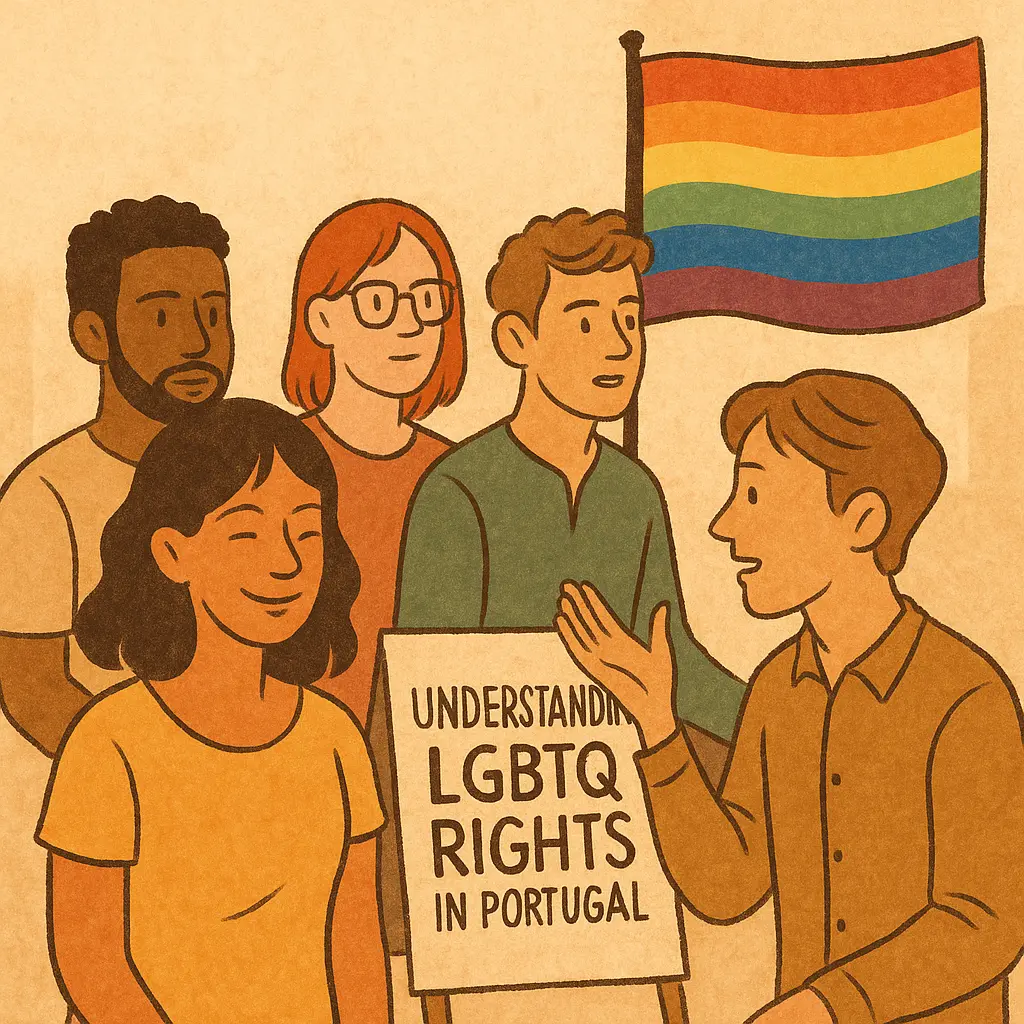
When people talk about LGBTQ rights in Europe, Portugal often comes up as an example of steady, practical progress. The country didn’t change overnight, but today its laws make daily life fairer and safer for everyone — including same-sex couples, people who have children under same-sex adoption, gay and lesbian people, and transgender residents.
Equality and Protection
The Constitution itself bars discrimination based on sexual orientation, setting the tone for modern Portuguese law. Over time, the government added clear anti-discrimination laws that protect people in work, housing, education, and healthcare. These legal protections make sure every sexual relationship and family structure is treated with equal respect.
Marriage and Family
If you’re wondering is same-sex marriage legal, the answer is yes — since 2010. Before that, homosexual marriages were recognized, but now gay marriage legal status gives same-sex married couples exactly the same legal rights as heterosexual couples.
Same-sex sexual activity has been legal since 1982, and same-sex relationships are protected just like any other partnership. Families built by same-sex couples can also adopt children, inherit property, and enjoy full family rights under Portuguese law.
Protection from Violence and Hate
Portugal treats prejudice as a serious offense. Under its hate crime and domestic violence statutes, acts motivated by bias against gay and bisexual men or other sexual minorities carry heavier penalties. The hate crimes provision leaves no room for excuses — motive adds weight to the sentence, not sympathy.
Community and Advocacy
Nonprofits are a big part of why these laws work in real life. ILGA Portugal, the oldest national LGBTQ group, advises lawmakers, runs helplines, and supports victims of discrimination. Its advocacy helped shape Portugal LGBT rights and broaden public awareness.
Education and Modern Views
Schools now teach inclusion and empathy, while the government pushes back against outdated ideas like conversion therapy, calling it unethical and dangerous. The legal age of consent is an equal age for everyone, showing that the same rights apply across all orientations.
Everyday Equality
In the end, equality in Portugal isn’t just legal jargon — it’s part of daily life. Thanks to progressive Portuguese law, civil groups, ordinary citizens, same sex families, and minorities can live openly and safely, without having to explain or justify their place in society.
Moving to Portugal as Transgender: Legal Gender and Recognition
For people moving to Portugal as transgender, including those with varying sex characteristics, everyday life here feels organized and respectful. The law treats gender identity as your own decision — you don’t need medical proof to be who you are.
A Law That Puts People First
Under Law No. 38/2018, Portugal’s gender identity law, any adult can change legal gender by submitting a short written statement at a civil registry office. No surgery or psychological opinion is required, and the legal gender change is usually approved within weeks.
For 16–18-year-olds, parental consent is still part of the process, but medical reports aren’t. This idea of self-identification has made Portugal one of the most open and fair places for the transgender community in Europe.
Privacy and Dignity
The same law ensures that transgender and intersex people have control over their records. Once documents are updated, earlier details stay private, and both residents and any Portuguese citizen are protected by the same legal protections.
When it comes to intersex children, the law discourages non-urgent surgeries until the child can take part in the decision. The rule is simple — no one should be defined without their say.
Healthcare and Everyday Life
Public hospitals in Lisbon and Porto provide gender-affirming care, such as hormone therapy, counseling, and surgery referrals. Waiting times can be long, but treatment is covered by the national health service.
Private clinics and community groups help people navigate the system, and public offices now use affirmed names and pronouns naturally. That’s how legal recognition works day to day — not as a slogan but as routine respect.
For Expats and Newcomers
Once you get residency, you can update your documents in Portugal according to the gender identity law, or have a legal gender change done abroad recognized locally. The process is quick, private, and applies equally to all transgender persons.
Many new residents say the real comfort comes from daily interactions — landlords, coworkers, and neighbors treat them like anyone else. Social spaces are open-minded, welcoming to lesbian couples, gay men, trans people, and if you’re meeting people or trying out transgender dating, cities like Lisbon and Porto make it easy to connect and feel safe.
That’s what makes life here steady and welcoming for transgender and intersex people — clear rules, open attitudes, and everyday respect.
“Looking for genuine connections while settling in Portugal? Join Fiorry — where trans and queer people find community, confidence, and friendship worldwide.”


Healthcare Access and Gender-Affirming Services

In Portugal, healthcare isn’t just about fixing problems — it’s about trust and respect. The public system, SNS, offers gender-affirming care for anyone who needs it, showing how everyday support reflects real LGBTQ rights.
Equal Access and Legal Protection
Hospitals like Centro Hospitalar Universitário de Lisboa Central provide hormone therapy, counseling, and referrals for surgery. Portuguese law protect individuals, and everyone has the same right for care. Clinics are required to prevent transgender discrimination and discrimination based on sexual orientation or gender identity, so any LGBT person can get treatment without fear of bias.
Community mental health centers also help people understand their sexual identity and adjust during transition. The atmosphere is relaxed and private, giving space to talk things through without judgment.
For LGBT expats, signing up for SNS is easy. With a residence permit and a social security number, you can register with a family doctor and access all services under national insurance.
Legal Protections and Inclusive Practice
Portugal’s anti-discrimination laws and anti-LGBT bullying policies also apply to healthcare. Medical staff now receive training on sexual orientation, including same-sex marriage rights, and gender identity to create a more welcoming environment. If someone faces prejudice or disrespect, Portuguese law allows them to report it formally, and cases are taken seriously.
Mental Health and Community Support
Good health includes peace of mind. Rede Ex Aequo runs youth programs and peer groups for LGBTQ people, while Casa Qui offers therapy for individuals and families. These groups complement the national system and help fill emotional gaps.
Today, most therapists no longer ask for a psychological opinion before starting gender-affirming care, a change that makes treatment faster and more respectful.
Inclusion, Confidence, and Connection
Access to healthcare gives people more than physical comfort — it builds confidence. Fair treatment shows that Portuguese law protect individuals in real life, not just on paper. For LGBT expats and those in same-sex relationships , that sense of security helps turn a new country into home.
Many wellness centers now host events that combine community and self-care — group workshops, mindfulness sessions, or open talks about identity and support. These places often spark real connections and shared understanding. Sometimes they lead to friendships that start naturally, not from searching transgender women near me online, but from being in spaces where everyone feels seen.
Education and Campus Life for LGBTQ Students

Across Portugal, education has become more open and fair, especially in universities in Lisbon, Porto, and Coimbra. On these campuses, equality and inclusion aren’t slogans — they’re visible in everyday life.
Inclusive Campus Life
Students, including LGBTQ expats, find that most universities actively support them through clear rules and helpful staff. Schools protect students from anti LGBT bullying, provide gender-neutral restrooms, and let people use chosen names on campus. Many dorms have flexible housing policies, so everyone can feel safe and comfortable.
At the University of Lisbon, University of Porto, and University of Coimbra, diversity and inclusion offices help with matters related to sexual orientation and gender identity. They offer guidance on studies, social life, or transition questions and connect students with mental health services when needed.
Student Groups and Everyday Support
Campus life also benefits from strong student networks. Organizations like Rede Ex Aequo regularly visit universities, run workshops, and host discussions about LGBT rights and visibility. Most campuses celebrate Pride Weeks, and many have small clubs that bring people together through art, culture, and conversation rather than activism alone.
Staff and faculty also take part — many have been trained to respond quickly if discrimination happens. These everyday actions make inclusion feel real, not just written in policy.
Learning and Living with Openness
Portugal’s universities now reflect the progress the country has made in social change. Students talk openly about identity and equality, and the atmosphere on campus feels relaxed and accepting. This mix of awareness, policy, and kindness shows how education can lead the way toward long-term inclusion and respect.
For both locals and LGBTQ expats, studying in Portugal means learning in an environment where fairness isn’t negotiated — it’s part of how the system works. That’s how a new generation grows up seeing LGBT rights not as a debate, but as everyday reality supported by law.
Social and Cultural Life: Queer Lisboa, Pride, and Everyday Inclusion
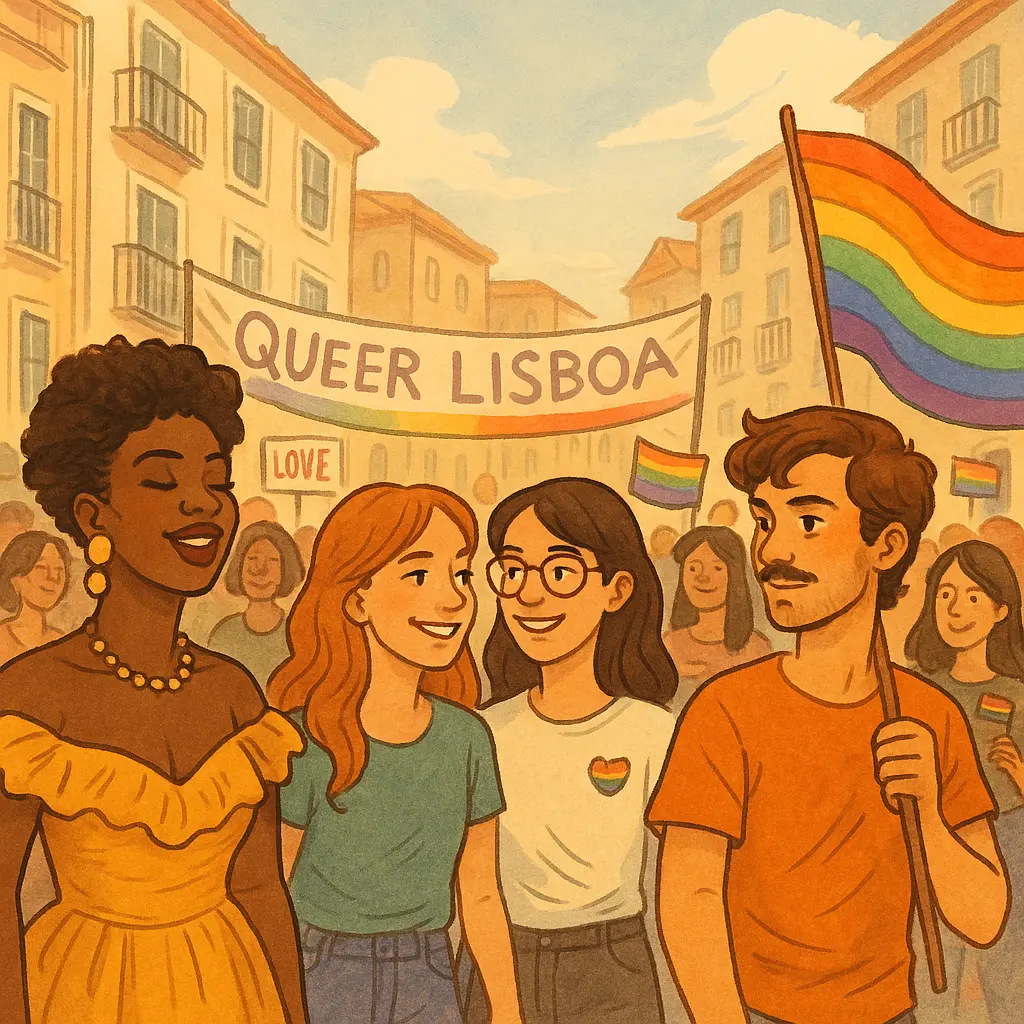
In Portugal’s biggest cities, queer life blends naturally into everyday Portuguese society. People hold hands on the street, small cafés host poetry nights, and friends meet after work in familiar spots. For many locals and visitors, community is part of a culture that feels open and relaxed — part of normal LGBT life, not something pushed to the edges.
Lisboa and Porto: Film, Community, and Visibility
Two events set the tone for the cultural scene each year: Queer Lisboa (queerlisboa.pt) and Queer Porto (queerporto.pt). These cultural events don’t just screen films — they pull in audiences who show up for the movies and stay for the conversations afterward. It’s common to see people heading to nearby cafés or bars to talk about a scene, an actor, or a story that hit close to home.
For sexual minorities, including those in same-sex marriage, these festivals are a rare mix of art, community, and comfort — places where everyone feels they can just be themselves.
Pride and Public Celebration
Lisbon’s annual gay pride march fills the streets with music, banners, families, students, local groups, and travelers. Porto’s Pride has its own vibe — smaller, often riverside, but just as warm. People don’t come only to celebrate; they show up because it feels good to be part of something bigger.
City halls usually support Pride events, backing the message of same rights, legal protections, and broader LGBTQ rights for all residents, including LGBT families.
Nightlife, Gay Bars, and Gay-Friendly Cities
Lisbon and Porto are known as gay friendly cities, partly because of their nightlife. Neighborhoods like Bairro Alto and Príncipe Real offer a mix of gay bars, drag shows, art venues, dance clubs, and quieter corners to sit with friends.
Porto’s scene is smaller but growing, with cozy pubs, queer-friendly galleries, and experimental performance spaces that attract people from all backgrounds. Even outside the big cities, many coastal towns now host queer nights or themed cultural gatherings.
Community Centers and Everyday Support
A lot of queer life happens in small, steady spaces — community centers, NGOs, and informal groups that organize workshops, language exchanges, readings, or support meetings. They give sexual minorities a place to talk, meet new people, or ask for help without feeling judged. Many of these groups also follow up on violations of hate crime laws, making sure people know their rights and can access help quickly.
Culture, Daily Comfort, and Real Connection
Queer culture in Portugal isn’t only in big events. It shows up in tiny bookshops, street markets, open-air concerts, and neighborhood cinema clubs. These low-key gatherings shape everyday LGBT life more than anything else — relaxed, friendly, and easy to join.
People planning a trip to Lisbon often look up all kinds of things — from queer art shows to local cafés and even practical topics like TS dating Lisbon — simply because the city connects culture, nightlife, and community in a way that’s exciting and easy to explore.
A Spirit of Openness and Pride
Whether you visit Queer Lisboa, join the gay pride march, relax in one of Lisbon’s gay bars, or attend a workshop in Porto, you see the same attitude: people are generally welcoming, and diversity doesn’t need an explanation.
All of this creates a setting where LGBT families, and other sexual minorities, can live openly and enjoy the same rights as everyone else — a place where culture and daily life naturally support inclusion.
Most Trans-Friendly Cities in Portugal
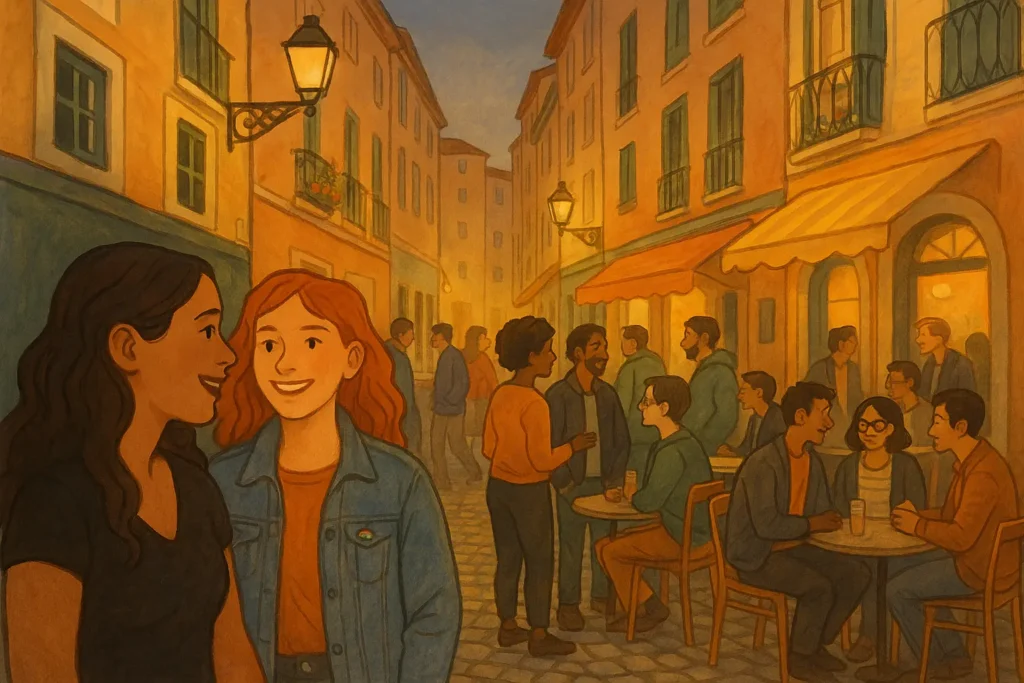
Portugal is widely seen as a comfortable place for transgender people and other sexual minorities, and you can feel that openness most clearly in a few key cities. These places aren’t just welcoming on paper — everyday life there tends to be relaxed, practical, and supportive. Many neighborhoods are walkable, public services are easy to navigate, and the cost of living is still lower than in much of Western Europe.
Each city has its own way of making trans people feel visible and safe, whether through active queer groups, community events, or simply the friendly attitude of locals. Together, these details make it easy for newcomers to settle in and find their rhythm without feeling out of place.
Lisbon — The Beating Heart of Inclusion
Lisbon is the place where much of Portugal’s queer social life naturally gathers. It’s known for its active gay culture and for being one of the easiest places in the country for trans people to feel visible and included. The city is home to ILGA Portugal, plenty of gay bars, community spaces, and clinics that offer gender-affirming care without much hassle.
Each year, Pride and Queer Lisboa bring crowds into cinemas and onto the streets, and the city feels especially alive during those weeks — part protest, part party, part arts festival.
For many LGBT expats, settling in Lisbon isn’t complicated. People are generally open, the atmosphere is relaxed, and most folks feel comfortable being themselves in everyday situations — whether they’re here to study, work, or explore the arts scene.
Porto — Creative, Friendly, and Proud
Porto blends its historic feel with a growing creative side. The city’s cultural scene is easy to step into — Queer Porto, community outreach projects, and small local groups give people plenty of ways to connect.
Nightlife here feels more intimate than in Lisbon, with cozy venues that welcome gay and lesbian people and anyone who comes to support.
Locals often describe Porto as calm, friendly, and genuinely queer-positive. It’s an easy city to settle into: you can enjoy the arts, meet people in a natural way, and feel included without the pace of a bigger urban center.
Coimbra — Academia Meets Acceptance
Coimbra is a compact city, and its academic atmosphere gives it a relaxed, open feel. The old university sits right in the middle of town, and because life here is affordable and calm, it attracts a mix of locals, international students, and visiting researchers. Neighborhoods around campus are generally safe and easy to navigate for transgender people, intersex people, and anyone in the LGBT community.
For many LGBT expats, Coimbra feels different from bigger gay friendly cities — slower, cheaper, and shaped by a young crowd. Most students are open-minded, easy to talk to, and used to conversations about sexual orientation or identity. That’s one reason people mention Coimbra when talking about the most trans friendly cities in Europe or comparing inclusive European countries.
Even without the nightlife of Lisbon or Porto, Coimbra has its own gay culture — a few small bars, student-run events, film nights, and casual meetups. People usually find out what’s happening through friends, group chats, or university pages, and some students even search things like finding trans people on tinder just to get a feel for the local scene.
The university follows Portuguese law, with support options, clear policies, and staff who know how to help LGBTQ students in daily life. Most newcomers settle in fast and feel comfortable here.


True acceptance starts when visibility meets respect — that’s how inclusion becomes everyday reality
Building Relationships and Community Connections
For many LGBT expats, moving to Portugal usually means hoping to meet people you genuinely click with. In Lisbon and Porto, social circles form fast because people are used to talking openly about sexual orientation and gender identity in daily life. That openness makes it easier to meet others and build friendships that feel natural rather than staged.
Dating fits into this dynamic too. Today, transgender dating is much more visible, especially in bigger cities where queer meetups, small bookshops, art nights, and community events give people plenty of moments to actually talk. In these settings, newcomers often just ask things straight — someone might casually phrase it as how to find trans woman near me when they’re trying to understand how people usually meet and what the local social vibe is like.
Most connections start in everyday places — a small bar, a student group, a hobby class, a language exchange. These low-pressure moments help people be honest about what they want from a sexual relationship, what feels comfortable, and what doesn’t. People here tend to appreciate that kind of honesty, and being upfront is a big part of social inclusion in Portugal.
When relationships cross identities, respect becomes central. Many say the benefits of dating a trans woman often come down to things like empathy, steadiness, and clear communication — qualities that matter in any relationship and fit with how many people see Portugal today: Portugal is LGBT-friendly and supportive of LGBTQ rights.
As heterosexual people settle into their routines, they start noticing queer communities in everyday spots — a café where familiar faces gather, a weekly social, a reading group, or a neighborhood project. These small moments are usually where friendships form naturally and where newcomers start feeling settled in their new city. Over time, those connections become a steady part of life rather than something temporary.
“Ready to meet Portugal gay-friendly and open-minded people who truly get you? Download Fiorry — the inclusive dating and community app for trans, queer, and ally connections worldwide.”
Final Thoughts: Equality, Respect, and Belonging
Portugal is often described as Portugal LGBT friendly, particularly with regard to same-sex relationships, and most people who spend time here understand why pretty quickly. Its commitment to equality shows up in everyday life — in small conversations, in the way people interact, and in how naturally different identities move through daily routines. For LGBT expats, that mix makes settling in feel more straightforward.
Clear marriage laws and legal protections under Portuguese law give transgender people and the broader LGBTQ community confidence that their rights are taken seriously. At the same time, local communities add the kind of everyday warmth you can’t get from paperwork alone. It helps people feel like they don’t need to hide parts of themselves to belong, which is a big reason the LGBT community feels safe and steady here.
Most people find their circles in ordinary places — cafés, small gatherings, film nights, or community groups where conversations start easily and where different stories come together naturally. Platforms like Fiorry can also help people stay connected while they explore new friendships and neighborhoods.
Many people say that Portugal feels open and sincere in a very down-to-earth way. Respect appears in everyday moments, not just as a nice idea, and newcomers often end up surrounded by people who accept them as they are. Whether someone arrives to study, work, or begin a new chapter, Portugal gives them space to grow, meet others, and feel part of something real.
FAQ
1. Is Portugal generally safe for transgender people?
Yes. In cities like Lisbon, Porto, and Coimbra, most people are relaxed and respectful. You can go about your day without feeling watched or judged, and public services follow clear protections for transgender people.
2. Does Portugal legally recognize gender identity?
Yes. Under Portuguese law, changing your legal gender is a straightforward process and doesn’t require medical procedures. For many, it feels reassuring to know the system actually supports self-identification.
3. Are healthcare and gender-affirming services accessible?
They are. Public hospitals and clinics offer gender-affirming care, including hormones, counseling, and specialist referrals. Wait times can vary, but the system is generally trans-inclusive.
4. Is it easy for LGBT expats to meet people and build a social life?
Pretty much. Many LGBT expats end up making friends through university groups, queer events, casual meetups, or language exchanges. People in Portugal are used to open conversations about identity, so it doesn’t take long to find your crowd.
5. What cities are considered the most inclusive?
Lisbon, Porto, and Coimbra are usually at the top. Each offers something different, but all three are known as some of the most trans-friendly cities in Europe, with plenty of cultural life and community spaces.
6. Can same-sex couples and LGBTQ families live openly in Portugal?
Yes. Same-sex marriage has been legal since 2010, and families enjoy full rights. Day-to-day, Portugal is one of the most Portugal LGBT friendly places in the region, and most people take diversity in stride.
7. How can newcomers find community or meet people?
It often starts with simple things — a café you return to, a weekly social, a Pride event, a student group. And if you want to connect faster, platforms like Fiorry help you meet people in spaces that already feel safe and affirming.
Time to read: 20 min.



Drag queen
RuPaul
Drag has always served a purpose. The purpose is to remind people to not take themselves too seriously. We mock identity. A lot of people get angry… Identity is not to be taken seriously. We show people we’re shape shifters. We are God in …
Source, April 20, 2017