



Is France Trans-Friendly? A Complete Guide to Laws, Healthcare, and LGBTQ Life

Editor:
Leona HambArian

Author:
Olena Kosonogova
Olena Kosonogova (she/her) is Chief Information Officer at Fiorry. Olena brings a background in social work and psychology, which gives her a unique perspective on information strategy, systems thinking, and user-focused infrastructure. She oversees data flows, internal systems, and the alignment between technology and communication across the platform. Drawing on her experience in public relations and strategic operations, she helps ensure that Fiorry’s information architecture supports both growth and clarity. Outside of work, Olena values balance through tennis, spending time outdoors, and challenging her mind with a thoughtful game of chess.
Key Takeaways
France often appears on lists of LGBTQ-friendly countries, but many people still ask the same question: is France trans friendly? The short answer is yes. France offers strong legal protections, access to gender-affirming care, and a visible LGBTQ community.
Experiences differ across regions and age groups, but the overall environment supports safety and inclusion.
This guide explains the laws, healthcare access, daily life, and community support available. It gives you a clear picture of what living or traveling in France feels like for transgender people and anyone looking for an inclusive place.”
Legal Rights and Recognition in France
France has a long history of expanding protections for LGBTQ people, providing trans people with a solid legal foundation. It is fully legal to be transgender, and laws protect against discrimination based on gender identity, sexual orientation, or gender. These protections cover employment, housing, education, public services, and daily life, reflecting France’s broader commitment to human rights within the European Union and global frameworks.
Hate speech and crimes targeting transgender people are punishable under French law, with the justice system treating such offenses as aggravated when bias is proven. While enforcement and public awareness can vary by region, France remains a clear example of a European country taking trans rights seriously.

Changing Legal Gender
Transgender people can change their legal gender in France without surgery. The 2016 reform introduced a system closer to self-determination, ending the older requirements for sterilization or medical proof. Today, applicants present evidence that shows their lived gender—this may include witness statements, personal documents, or medical letters, but surgery is not required.
A court approves the request and updates the gender marker across all major documents. This process is more flexible than in many parts of Europe and significantly more accessible for intersex people and those with limited medical resources. Still, it requires time, paperwork, and, for some, legal assistance.
Marriage, Adoption, and Family Rights
France legalized same-sex marriage in 2013, giving all couples—gay, lesbian, or heterosexual—the same family law rights, including joint adoption.
For transgender people, marriage and adoption follow their updated legal documents, with single people or couples treated like any other citizens. Parentage rules are evolving, but the broad principle is equality between all families, regardless of gender identity or sexual orientation.
These protections go beyond family and employment—they make it safer for transgender people to navigate social spaces and build connections. For practical advice on meeting others safely, check out tips for meeting trans women nearby.

Healthcare for Transgender People in France
France offers one of the more organized healthcare systems in Europe for transgender people. Access varies by region and clinic, but the public system covers most parts of gender-affirming care, including consultations, hormones, and many surgical procedures. Some people still use private clinics to avoid long waits, yet the overall system supports safe and medically guided transition.
Public hospitals in major cities offer broader services. Smaller towns depend more on general practitioners who refer patients to specialists. This creates some delays, but national coverage keeps transition-related care financially reachable.

Cities like Strasbourg have supported transgender healthcare for years, with accessible clinics, specialized providers, and active community networks. If Strasbourg is on your radar, the Strasbourg transdating guide helps you explore local medical resources, connect with supportive groups, and meet people safely—whether you’re visiting, studying, or settling in long term.
Gender-Affirming Care and Medical Transition
France provides access to medical transition through endocrinologists, psychologists, and specialized units. Hormone replacement therapy is widely available. Gender affirming procedures such as chest surgery, facial surgery, and genital reconstruction are legal and, in many cases, reimbursed by the state.
People pursuing a sex change or other surgical steps often go through structured evaluations. These are not barriers meant to deny care but part of the system’s approach to safety, long-term planning, and coordination between providers.
This approach makes France a realistic option for those seeking consistent health resources and clear pathways to treatment.
Diagnosis, Evaluation, and Gatekeeping
Access to some procedures still involves a medical evaluation. The country’s older model treated gender dysphoria as a mental illness, but that classification has been removed. Today, evaluations focus on overall wellbeing rather than proving identity.
A medical diagnosis is still needed for certain surgeries, but it is not tied to outdated requirements like sterilization. Specialists aim to support stable outcomes rather than question transgender identity.

Youth and Access
For young people, including high school students, access depends on parental approval. Public debate continues around transition-related care for minors, and practices vary across regions. Mental health support is available, and teams work with families to help them understand gender identity and the steps involved.
While the system is not perfect, France remains one of the more structured places in Europe for youth seeking information, guidance, and gender-related support.

In a city like Paris, social life and dating feel more open, and many newcomers want simple guidance on how to meet people safely. This guide to trans dating in Paris explains the best neighborhoods, community spots, and practical tips for building connections in one of Europe’s most LGBTQ-visible cities.
Safety, Public Opinion, and Daily Life
Daily life for transgender people in France depends on where they live, how visible they are, and whether they have access to community support. France is generally safe, and major cities offer some of the strongest LGBTQ networks in Europe. Still, social experiences vary, and public debates around gender identity sometimes shape how openly people express themselves.

Public Opinion and Social Climate
Attitudes toward transgender rights have improved over the years. Many French people support equality for trans people, gay men, bisexual people, and other LGBTQ people. Visibility in media, politics, and education has helped normalize conversations around sexual orientation and gender identity.
Acceptance is strongest in cities such as Paris, Bordeaux, Toulouse, and Lyon, where LGBTQ groups, inclusive schools, and gender-aware healthcare providers are common. Rural areas are more mixed; some are supportive, others more conservative, which affects comfort in workplaces, public spaces, and social life
Cities like Nice also offer growing LGBTQ communities and social opportunities. The trans dating in Nice guide helps you navigate dating, meet local trans people safely, and connect with the community, whether you’re visiting, studying, or planning to stay longer.
Safety, Hate Crimes, and Discrimination
France classifies attacks linked to gender identity or sexual orientation as aggravated offenses. Police record hate crimes involving transgender people, and penalties increase when bias is confirmed.
Even with these protections, discrimination still happens. Some people face barriers in housing, employment, or public services. Awareness varies across regions, and reporting issues can be difficult without support. The legal system is strong, but outcomes depend on local implementation.
Community Support and LGBTQ Groups
France has a wide range of LGBTQ organizations offering guidance, legal advice, housing support, and community events. Many groups focus on transgender people, helping with documents, mental health, and navigating healthcare. Major cities host active networks of volunteers and peer-support circles, making it easier for newcomers to connect.
French engineer

Marie Cau

People did not elect me because I was or was not transgender, they elected a program. That’s what’s interesting: when things become normal, you don’t get singled out
Social life is lively in LGBTQ-friendly neighborhoods. Bars, cafes, cultural spaces, and community hubs provide safe places to meet people, build friendships, and find support. These environments reduce isolation and give trans people a sense of belonging.
Looking to connect with other trans people? We got you. Fiorry, a free trans dating site, helps you meet like-minded people, build friendships, and find romantic connections safely.


LGBTQ Life in France
France has a long cultural history of embracing diverse identities, and this plays a big role in how transgender people experience everyday life. The LGBTQ scene is large, visible, and shaped by decades of activism, community organizing, and public support. For many, France offers a mix of cultural openness, legal protections, and active networks that make living or traveling in the country easier compared to other parts of Europe
Cities, Culture, and Nightlife
Most LGBTQ life centers around urban areas, with Paris leading the way. The Marais district is world-famous for its gay bars, clubs, cafés, bookstores, and cultural spaces where people gather and express themselves freely.
Other big cities also have active communities, with events, pride marches, and support groups. These spaces welcome people across sexual orientations and gender identities, giving trans people places to be visible safely. They also provide access to clinics, mental health resources, and social services that support transgender people, strengthening inclusion and safety in daily life.
If Marseille or Lyon is on your radar, the Marseille trans community guide and the Lyon trans community guide offer practical information on local support, social spaces, and how welcoming each city feels.
Living in France as a Trans Person
France is widely recognized as one of the more accepting countries for LGBTQ people. Representation in media, public campaigns, schools, and workplaces contributes to a generally supportive environment, though public debates and misinformation still shape opinions in some areas.
The country’s legal protections, community networks, and visible LGBTQ presence make it easier for transgender people to live authentically
For those looking to expand their social circles or explore romantic connections, dating apps can complement France’s vibrant community spaces. This guide can help you navigate platforms like Tinder to meet trans women safely and authentically
How France Compares Globally
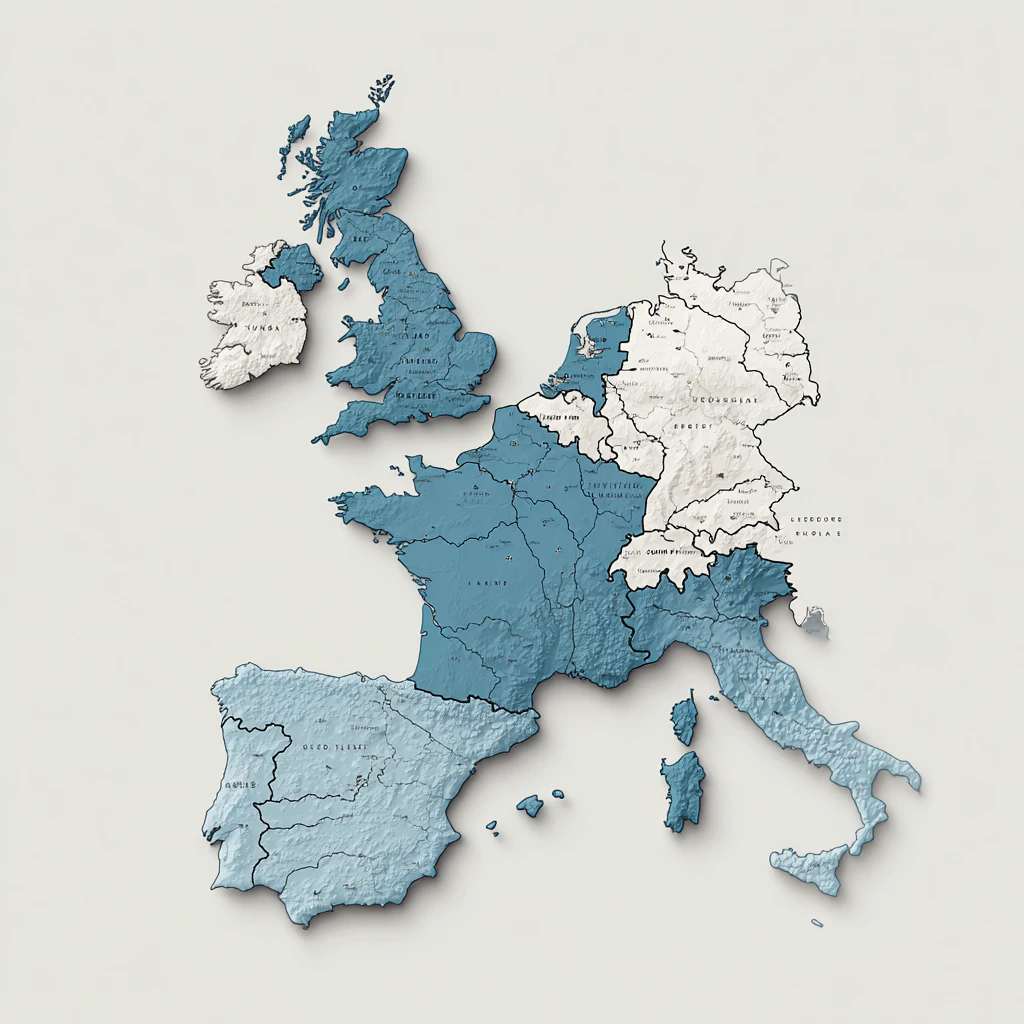
France is one of the leading countries in Europe for transgender rights and LGBTQ protections. It was among the first countries in the region to remove medical requirements like sterilization for legal gender changes, and its anti-discrimination laws align with European Union and global human rights standards.
Compared to many parts of Europe and the world, France offers stronger protections, better healthcare access, and visible community networks. While challenges remain, especially in rural areas, the country’s legal framework, cultural openness, and active LGBTQ groups make it a supportive environment for trans people seeking safety, recognition, and community.
Conclusion
France is generally trans-friendly, offering legal protections, access to gender-affirming healthcare, and vibrant community networks. Transgender people can live openly in major cities like Paris, Lyon, and Marseille, with laws protecting their rights in work, housing, family life, and healthcare.
Challenges remain. Experiences vary by region, and some areas are less informed about transgender identity and sexual orientation issues. Navigating bureaucracy, accessing medical services, or reporting hate crimes can still be difficult, but overall, France provides a mix of protections, visibility, and cultural acceptance that makes it a strong option for those seeking a supportive environment.

Looking for trans people near you to build friendships or find romantic connections? Fiorry helps you meet like-minded people safely, connect with the community, and make meaningful connections.
FAQ
Can transgender people change their legal gender in France?
Yes. Since 2016, transgender people can update their legal gender without surgery. The process requires evidence of their lived gender, such as personal documents or medical letters, and is approved by a court for official documents.
What healthcare services are available for trans people in France?
France provides gender-affirming healthcare, including hormone therapy, counseling, and surgical procedures. Public hospitals in urban centers offer broad services, and private clinics are available for faster access. Coverage through the national health system helps make treatment more affordable.
Can young people access gender-affirming care in France?
Yes, including high school students, though parental approval is typically required. Mental health support is available, and specialized teams help families navigate transition-related care safely and effectively.
Time to read: 11 min.



Trans activist
Jazz Jennings
I want to help transgender individuals who might be struggling realize that they have to love themselves and stay true to who they are because if they keep moving forward, and keep a positive attitude, then things will get better.
Source, December, 2015